

When shopping for a diamond, one of the first things people notice is its carat weight. A 1-carat diamond sounds like a standard size, while a 2-carat diamond sounds twice as large. However, carat does not directly measure how big a diamond looks. It measures how much the diamond weighs.
Diamond carat is a unit of weight, with one carat equal to 200 milligrams, or 0.2 grams. The size a diamond appears to be depends on other factors, including its shape, cut, proportions, and how its weight is distributed.
Understanding the difference between carat weight and visible size helps explain why two diamonds with the same carat weight can look different and why a diamond with a higher carat weight does not always appear proportionally larger.
Does Carat Mean Diamond Size?
No. Carat refers to a diamond's weight, not its physical dimensions.
The word is commonly associated with diamond size because heavier diamonds often have larger visible dimensions. However, weight and appearance are not the same thing.
For example, two round diamonds can both weigh 1 carat, but one may look slightly larger than the other because of differences in cut proportions. A diamond that carries more of its weight near the bottom may appear smaller from the top than a diamond with a shallower profile.
This distinction matters when comparing diamonds. Carat weight provides a precise measurement of how heavy a diamond is, while measurements in millimetres help describe its actual dimensions.
When evaluating a diamond, both measurements provide useful information. Carat tells you the weight, while the diamond's millimetre measurements help you understand how much of its surface will be visible when worn.
What Does Diamond Carat Actually Measure?
Diamond carat measures the weight of a diamond using a standardised unit.
One carat equals 200 milligrams. Each carat is divided into 100 points, making it possible to describe diamond weights precisely.
Here are some common examples:
|
Diamond weight |
Weight in milligrams |
Weight in grams |
|
0.25 carat |
50 mg |
0.05 g |
|
0.50 carat |
100 mg |
0.10 g |
|
0.75 carat |
150 mg |
0.15 g |
|
1.00 carat |
200 mg |
0.20 g |
|
1.50 carats |
300 mg |
0.30 g |
|
2.00 carats |
400 mg |
0.40 g |
A diamond weighing 0.50 carat is half the weight of a 1-carat diamond. Similarly, a 2-carat diamond weighs twice as much as a 1-carat diamond.
However, this does not mean that the visible surface area or diameter increases at the same rate.
Carat weight is an objective measurement. Visible size depends on the diamond's dimensions and proportions.
Is a 2-Carat Diamond Twice the Size of a 1-Carat Diamond?
No. A 2-carat diamond weighs twice as much as a 1-carat diamond, but it does not look twice as large.
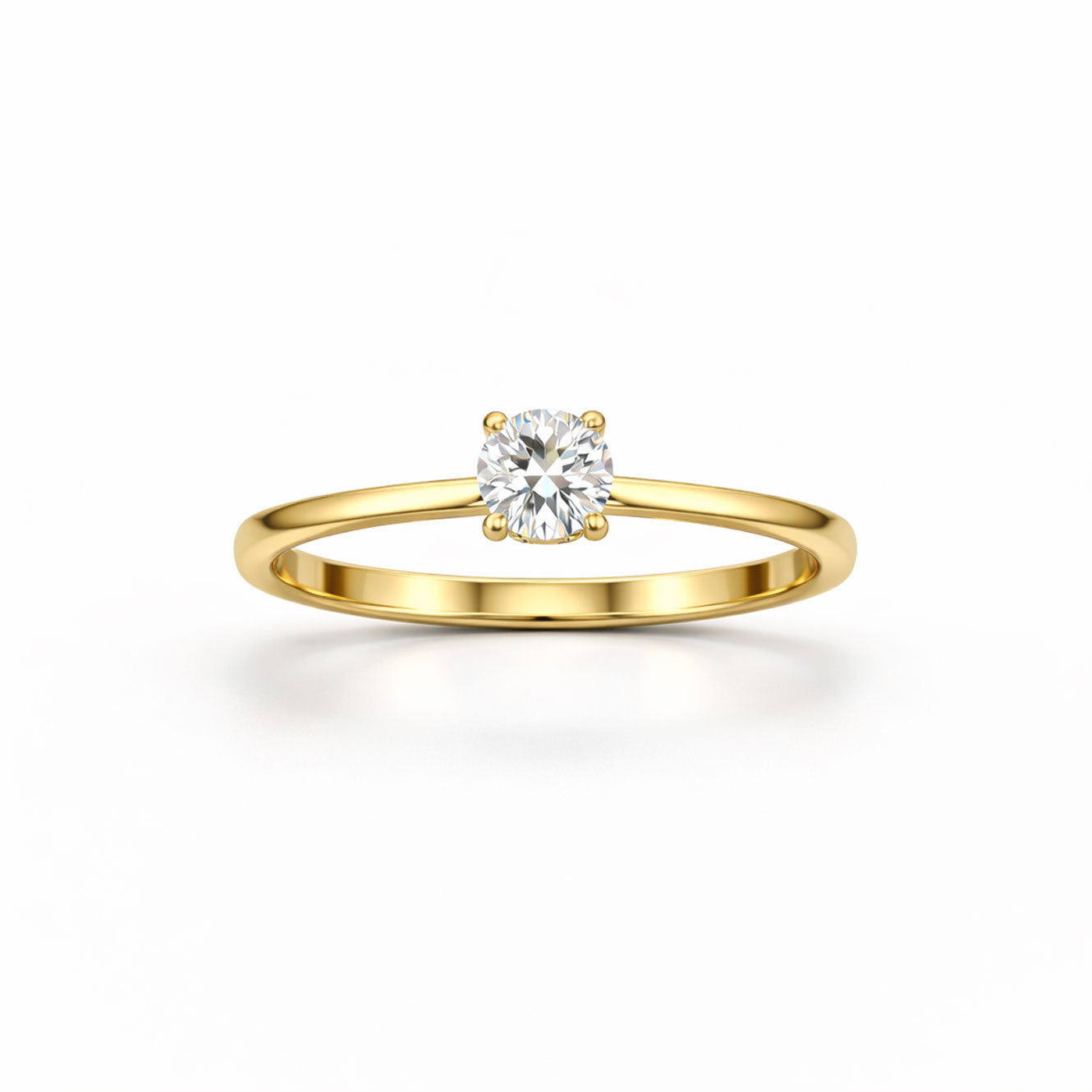
To understand why, consider a round diamond. If two round diamonds have similar cut proportions, a 1-carat diamond may measure approximately 6.4 to 6.5 millimetres in diameter, while a 2-carat diamond may measure around 8.1 to 8.3 millimetres.
These measurements are approximate. Actual dimensions vary according to the diamond's cut and proportions.
Although the 2-carat diamond weighs twice as much, its diameter is only about 25% to 30% greater than that of a comparable 1-carat diamond. Its visible face-up surface area is roughly 55% to 65% larger, rather than 100% larger. The exact difference depends on the diamonds' dimensions and proportions.
This happens because diamond weight depends on volume, which includes its length, width, and depth. When two diamonds have similar proportions, doubling the weight does not double each dimension. Instead, each linear dimension increases by approximately 26%.
This explains why a 2-carat diamond looks larger than a 1-carat diamond, but not twice as large.
The difference becomes easier to understand when comparing diamonds side by side. A 2-carat diamond will generally look larger than a comparable 1-carat diamond, but the visual difference is not as dramatic as the weight difference might suggest.
Why Can Two Diamonds With the Same Carat Weight Look Different?
Carat weight is only one part of a diamond's appearance. Several other factors influence how large a diamond looks when viewed from above.
1. Diamond Shape
Different diamond shapes distribute weight differently.
Round brilliant diamonds, oval diamonds, pear-shaped diamonds, emerald cuts, and princess cuts have different proportions. Even when they weigh the same, their length, width, and visible surface area can vary.
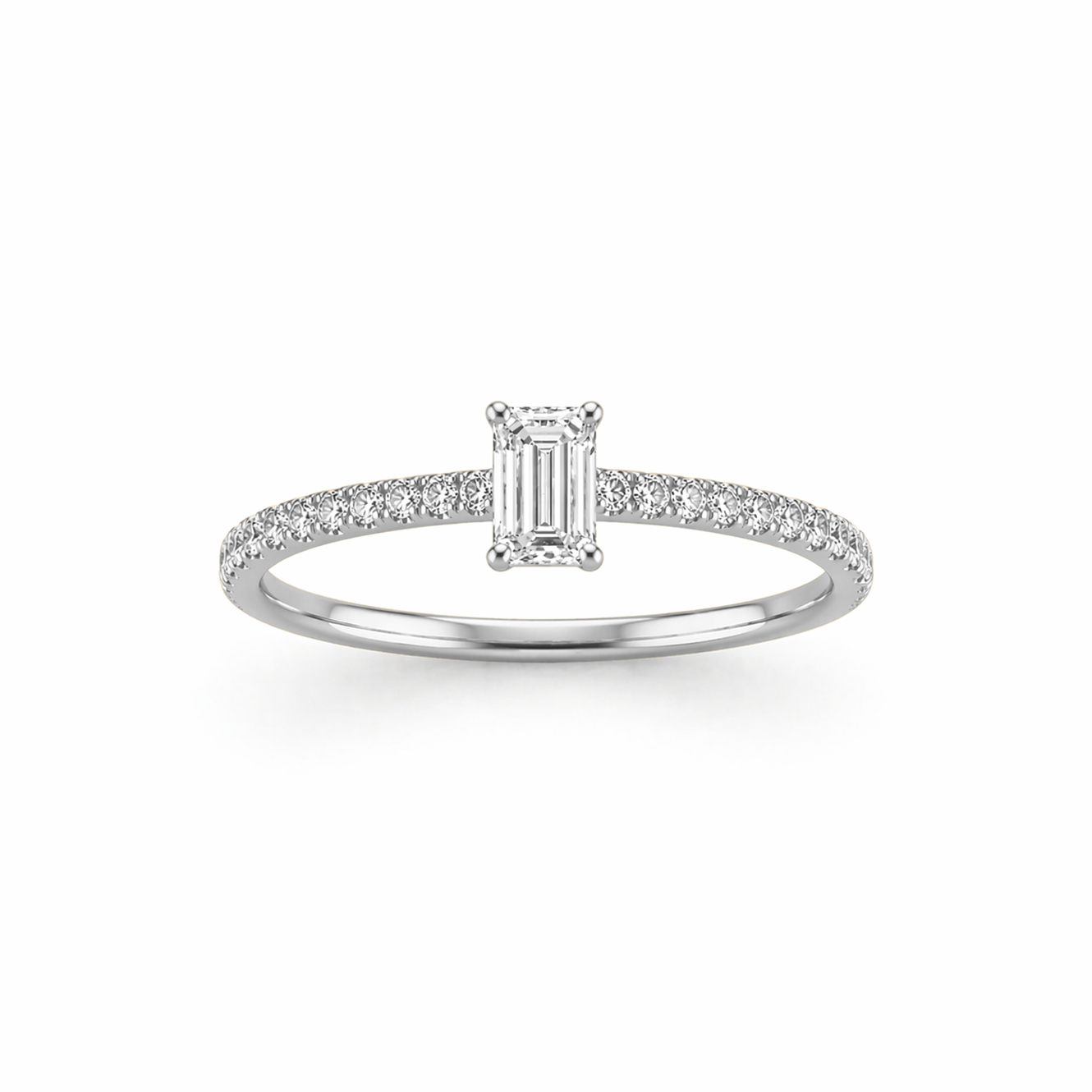
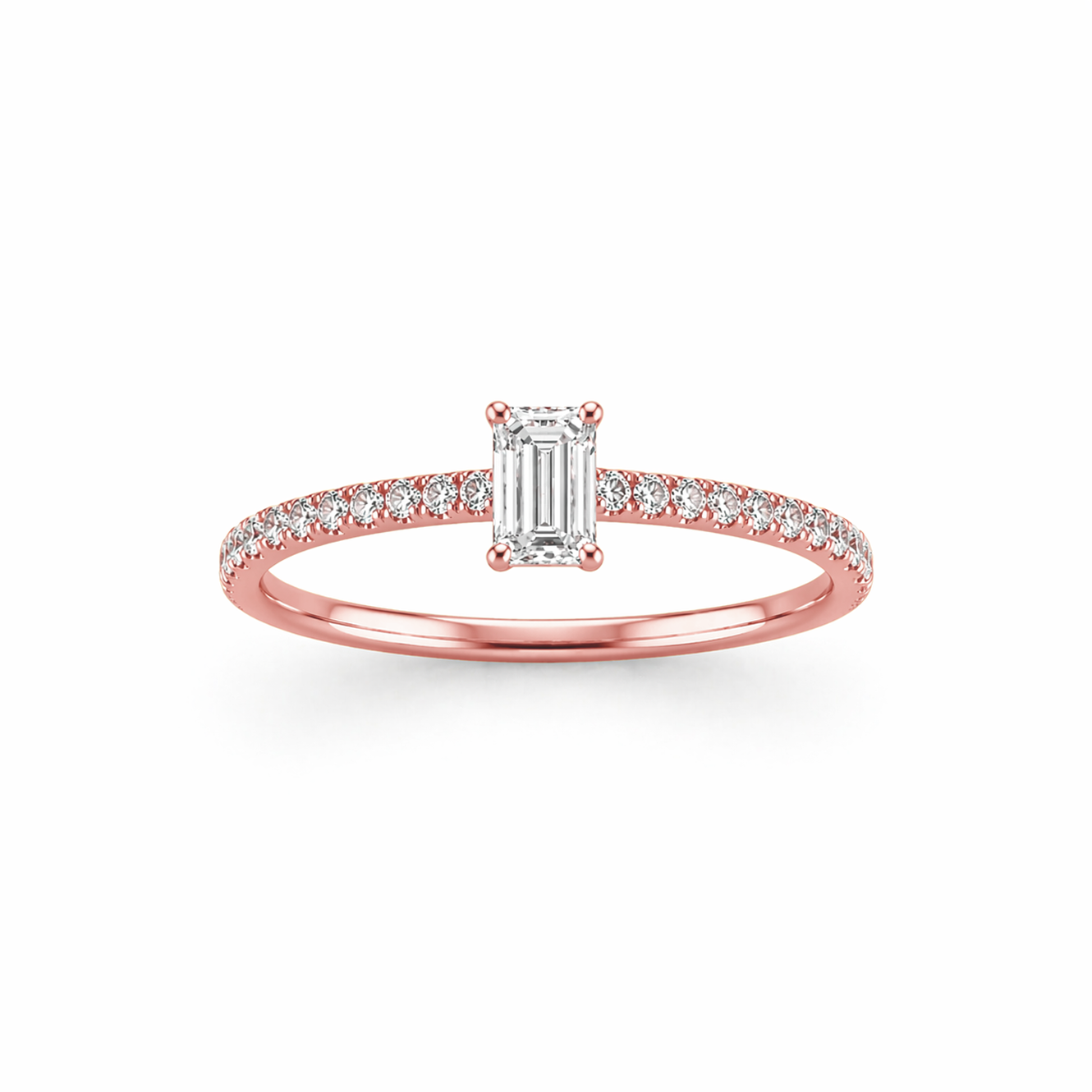
For example, an oval diamond may appear longer and larger across the finger than a round diamond of the same weight. An emerald-cut diamond has a different outline and broad, flat facets that create a distinct visual effect.
This does not automatically make one shape better than another. It means the shape influences the way carat weight translates into visible size.
2. Cut and Proportions
Cut affects how a diamond handles light, but it also influences its dimensions.
A well-proportioned diamond balances its depth, table, crown, and pavilion. If too much weight is concentrated in the lower portion of the stone, the diamond may look smaller from the top despite having the same carat weight as another diamond.
A diamond that is cut too shallow may appear wider, but it can also lose light performance. Therefore, choosing a diamond based on visible size alone may overlook its brilliance and overall appearance.
The goal is to find a balance between attractive proportions, light performance, and the dimensions you prefer.
3. Diamond Depth
Depth refers to the distance from the top of the diamond to its bottom.
Two diamonds with identical carat weights may have different depths. A deeper diamond carries more of its weight vertically, while a shallower diamond may have a wider face-up appearance.
This is one reason millimetre measurements are useful when comparing diamonds online. Looking only at the carat weight may not reveal how large the stone will appear when set in a ring.
4. Setting and Ring Design
The jewellery setting can also affect the perceived size of a diamond.
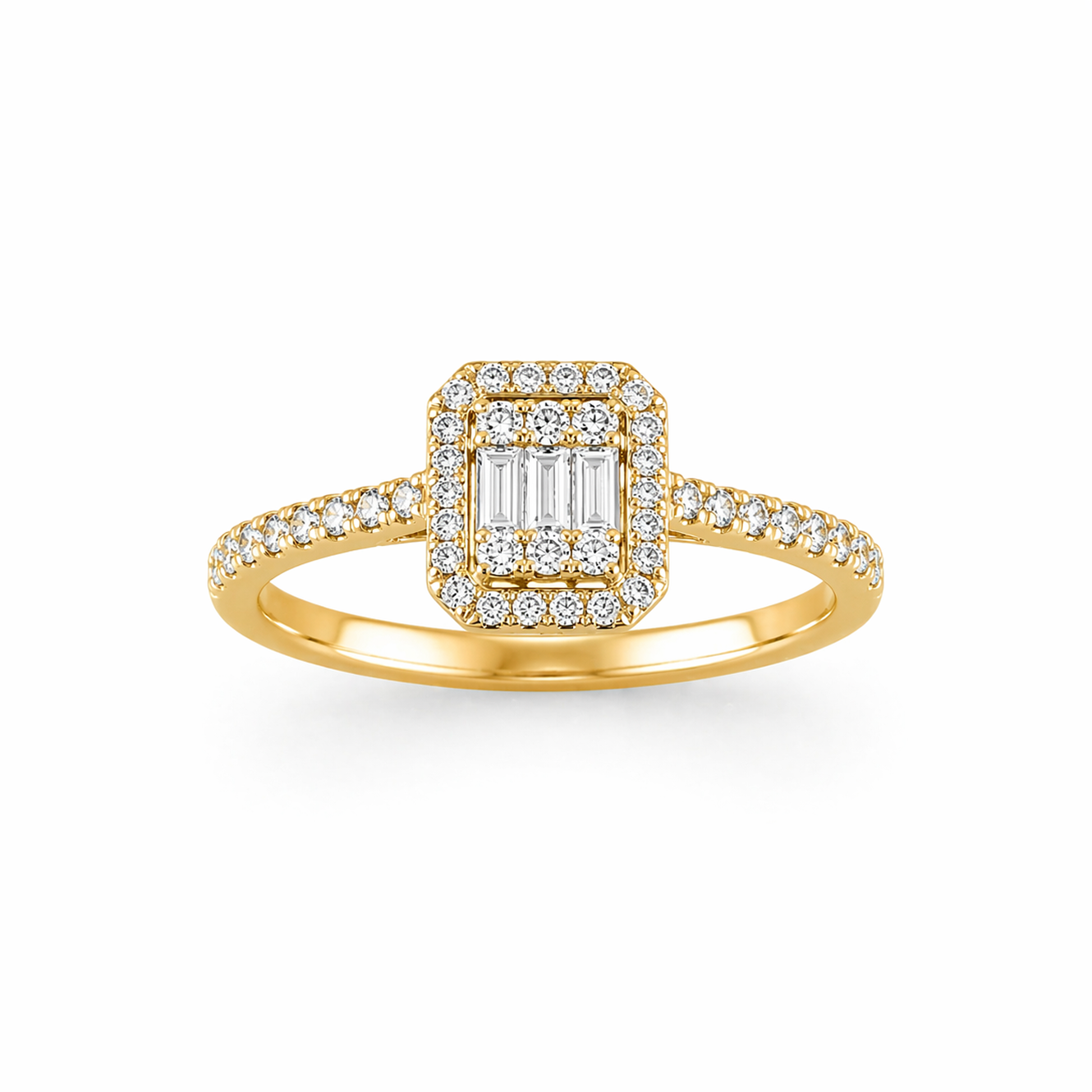
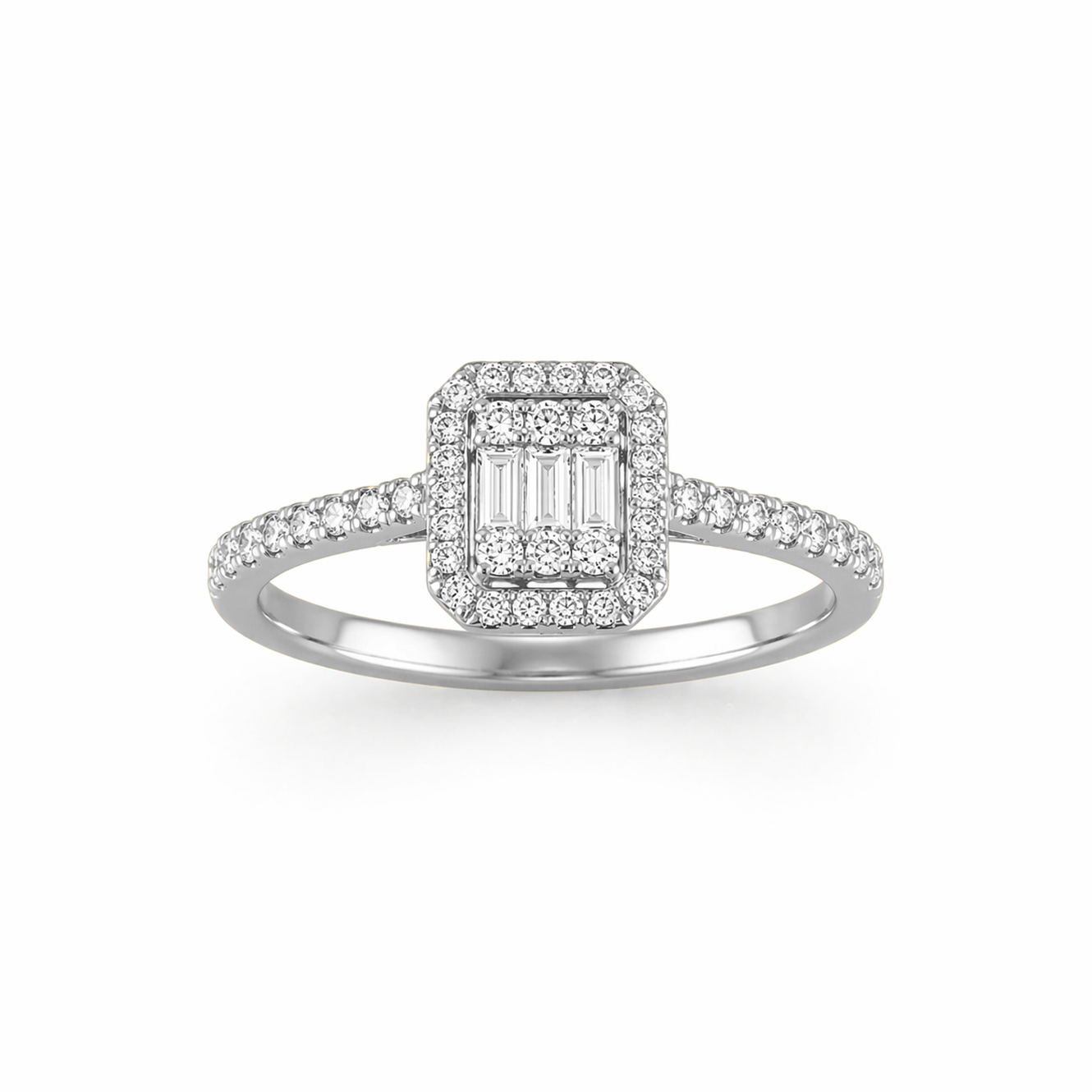
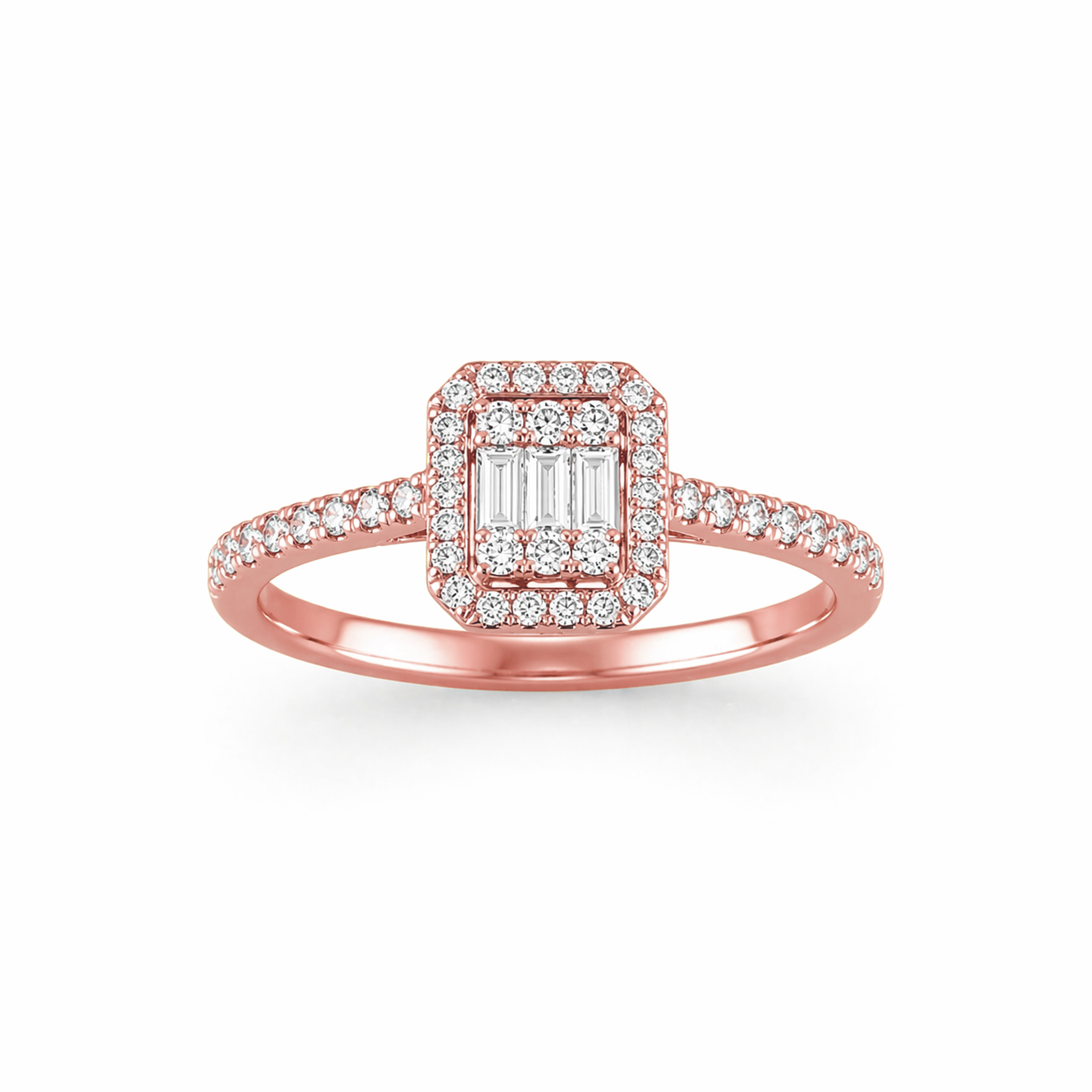
A slim band may make the centre stone appear more prominent, while a halo setting, which surrounds the centre diamond with smaller stones, can create the impression of a larger overall design.
Prongs, the metal colour, and the proportions of the ring can also influence the visual effect.
These details do not change the diamond's actual weight or dimensions. They simply affect how the stone looks when worn.
Should You Choose a Diamond Based on Carat or Visible Size?
The answer depends on what matters most to you.
If you want a specific diamond weight, carat is the measurement to consider. If you want a diamond that looks a certain size on your finger, its millimetre dimensions and shape deserve equal attention.
A practical way to compare diamonds is to look at four things:
-
Carat weight: How much the diamond weighs.
-
Millimetre measurements: The diamond's length, width, and depth.
-
Cut quality: How its proportions and facets influence brilliance and appearance.
-
Shape and setting: How the diamond looks when viewed from above and worn in jewellery.
For example, someone comparing a 1.00-carat round diamond with a 1.00-carat oval diamond should not assume they will look identical. Their outlines and visible dimensions differ, even though their weights are the same.
It is also useful to compare diamonds with similar cut quality and proportions. This helps you judge the differences in appearance more fairly instead of relying on carat weight alone.
Does a Higher Carat Weight Always Mean a More Valuable Diamond?
Not necessarily. Carat weight is an important factor in diamond pricing, but it is not the only one.
Two diamonds with the same carat weight can have different prices because of differences in colour, clarity, cut quality, shape, certification, and other characteristics. Larger diamonds can also command higher prices per carat because diamonds of greater weight are less common.
This means a smaller diamond with excellent light performance and desirable characteristics may be more appealing to some buyers than a heavier diamond with less attractive proportions.
The best comparison considers the complete diamond rather than a single number on its specification sheet.
Why Do Diamond Prices Often Increase at Certain Carat Weights?
Diamond prices do not always increase gradually with carat weight. They can rise disproportionately at popular milestones, such as 1.00, 1.50, and 2.00 carats.
These are commonly referred to as benchmark or threshold weights. Many buyers specifically look for diamonds that reach these numbers, which can increase demand for stones at or just above the threshold.
For example, a diamond weighing 0.95 carat may cost noticeably less than a comparable 1.00-carat diamond, even though the difference in weight and visible size is relatively small. The price difference depends on factors such as cut, colour, clarity, shape, certification, and market conditions.
This creates an opportunity for buyers who are flexible about exact carat weight. A well-cut diamond weighing slightly below 1.00 carat may offer a similar visual appearance to a 1.00-carat diamond at a lower price.
However, the saving is not guaranteed. Comparing diamonds with similar quality characteristics is essential to determine whether the price difference represents good value.
The Key Difference Between Carat Weight and Diamond Size
Carat tells you how much a diamond weighs. Millimetres tell you its physical dimensions. Shape, cut, and setting influence how large it appears when worn.
A 2-carat diamond weighs twice as much as a 1-carat diamond, but it does not look twice as large. Likewise, two diamonds with the same carat weight can have noticeably different appearances.
When choosing a diamond, look beyond the carat number. Compare its dimensions, shape, proportions, and overall appearance to understand what you are actually getting.
The key takeaway is simple: carat measures weight, not size. Knowing the difference helps you make a more informed comparison and choose a diamond based on both its specifications and how it looks in real life.

