

Dubai has spent decades earning its reputation as one of the world's most important diamond centres, and the latest numbers reinforce that position. In 2025, diamond trade through the emirate reached a record USD 41.7 billion, according to figures released by the Dubai Multi Commodities Centre (DMCC) and Dubai Customs, surpassing the previous record of USD 40.9 billion set in 2011. Trade volume also reached a new high, with 359.5 million carats changing hands, up approximately 42.5% year-on-year. Since 2020, the value of diamonds traded through Dubai has increased by 139%, while trade volume has doubled.
At the centre of this ecosystem sits the Dubai Diamond Exchange (DDE), operated by DMCC inside Almas Tower in Jumeirah Lakes Towers. It is the only bourse in the GCC affiliated with the World Federation of Diamond Bourses and is home to more than 1,300 local and international gem enterprises. The exchange also operates the world's largest diamond trading floor, with 41 viewing stations and capacity for up to 200 buyers at a time.
The UAE has also played an important role in international diamond governance. It joined the Kimberley Process in 2003 and, in 2025, served as Custodian Chair of the Kimberley Process for a third time, following previous chairmanships in 2016 and 2024. The Kimberley Process is designed to prevent conflict diamonds from entering the legitimate international diamond trade.
This infrastructure, developed over more than two decades, has helped make Dubai a natural home for diamond buyers, travellers, traders, and jewellers. The city brings sourcing, trading, grading and certification services, manufacturing, and retail together within a highly connected commercial ecosystem. Its location between Africa, Asia, and Europe adds another advantage, making Dubai an important meeting point for the global diamond industry.
For jewellers, that means access to international suppliers, inventory, and expertise. For buyers and travellers, it means a market where a wide range of diamond products and jewellery can be explored within one of the world's most established luxury destinations.
Lab-Grown Diamonds Are Reshaping the Market — In a Good Way

One of the more interesting developments in Dubai's diamond story is the growing presence of lab-grown diamonds.
Lab-grown diamonds are real diamonds with essentially the same chemical, physical, and optical properties as natural diamonds. They share the same carbon crystal structure and can offer the same hardness and brilliance, but they are created in controlled laboratory environments rather than formed naturally beneath the earth. Their laboratory origin can be identified through specialised gemological testing.
The distinction is important when looking at Dubai's latest trade figures. DMCC reports that synthetic and industrial diamonds represented approximately 39% of total diamond trade volume by carat in 2025. This category includes more than gem-quality lab-grown diamonds, so the figure should not be interpreted as meaning that 39% of Dubai's diamond trade consists solely of lab-grown jewellery stones. Nevertheless, it demonstrates how significant synthetic diamond products have become within the wider diamond ecosystem.
At the same time, natural diamonds remain the foundation of Dubai's market by value. In 2025, natural diamonds generated approximately USD 39.9 billion, representing 95.8% of the emirate's total diamond trade value. Natural polished diamond trade alone reached USD 18.7 billion.
The picture, therefore, is not one of lab-grown diamonds replacing natural diamonds. Instead, Dubai's diamond market is becoming more diverse, with established natural-diamond trading continuing alongside newer categories that appeal to different types of consumers.
That diversification fits naturally with Dubai's existing strengths. The city already has sophisticated trading infrastructure, grading and certification services, jewellery manufacturers, retailers, and an international customer base. The growth of lab-grown diamonds gives that ecosystem another significant category to serve.
For jewellers, lab-grown diamonds can provide an additional option for customers looking for genuine diamonds at a different price point. For consumers, they offer another way to approach fine jewellery, particularly for buyers who value the combination of diamond properties, design, and accessibility.
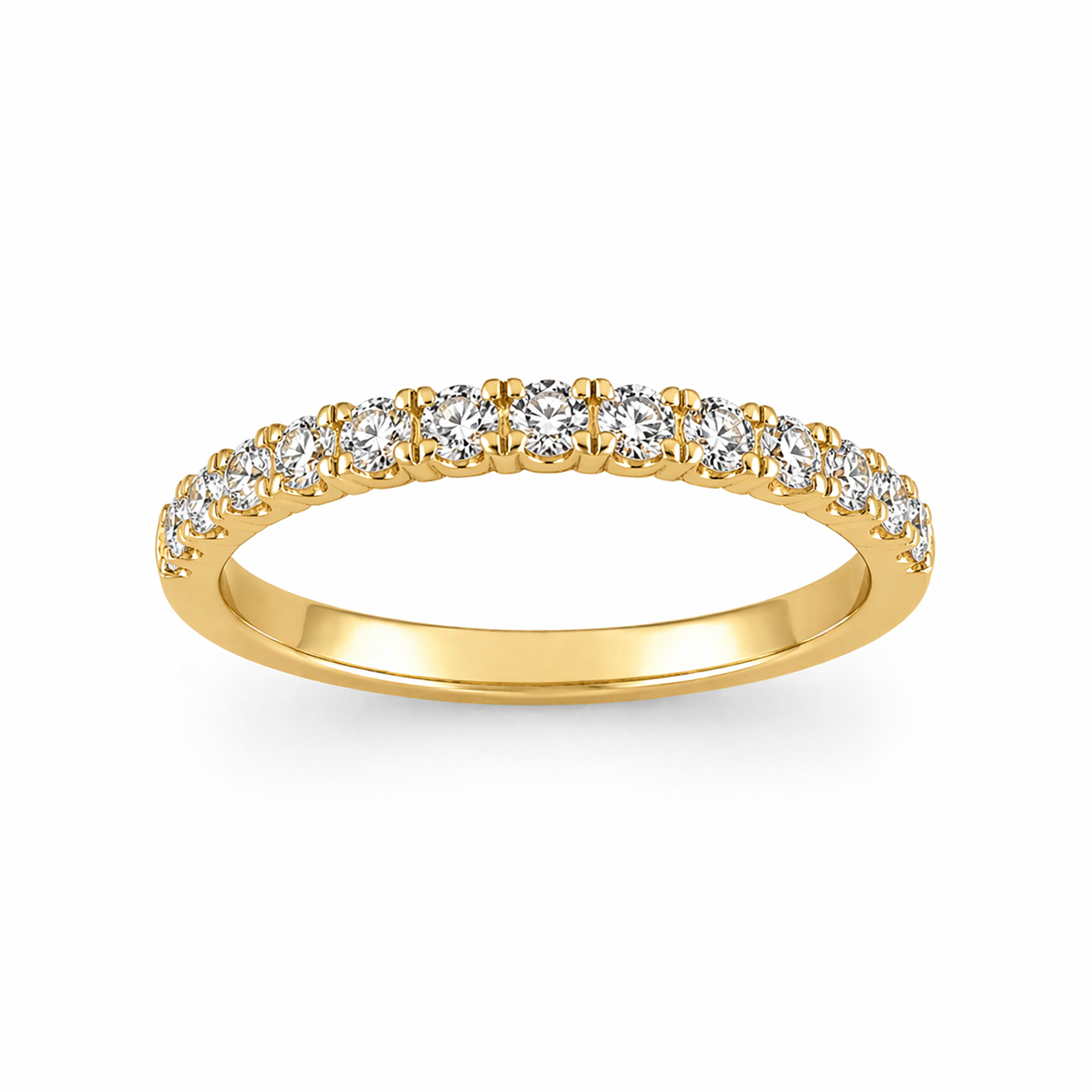
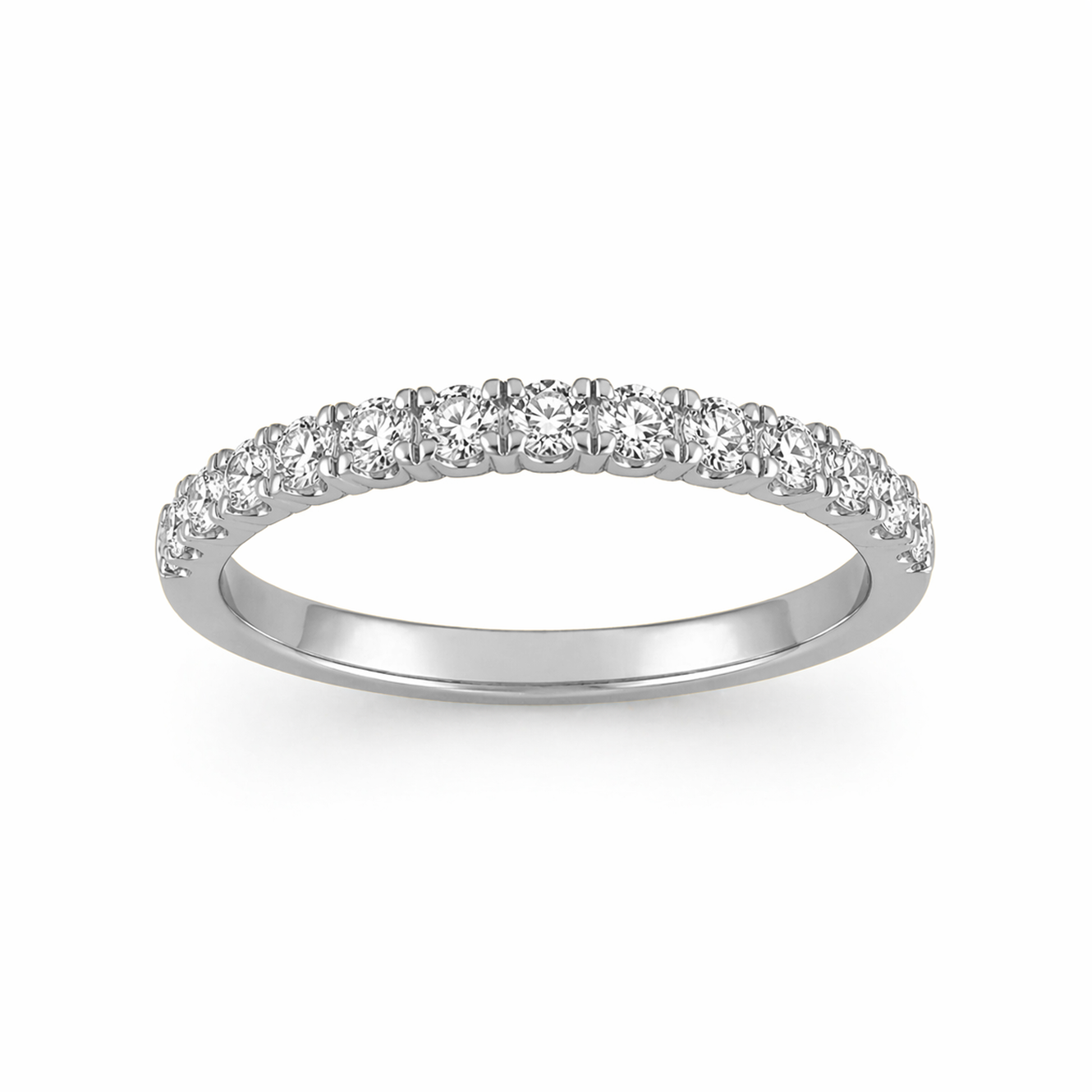
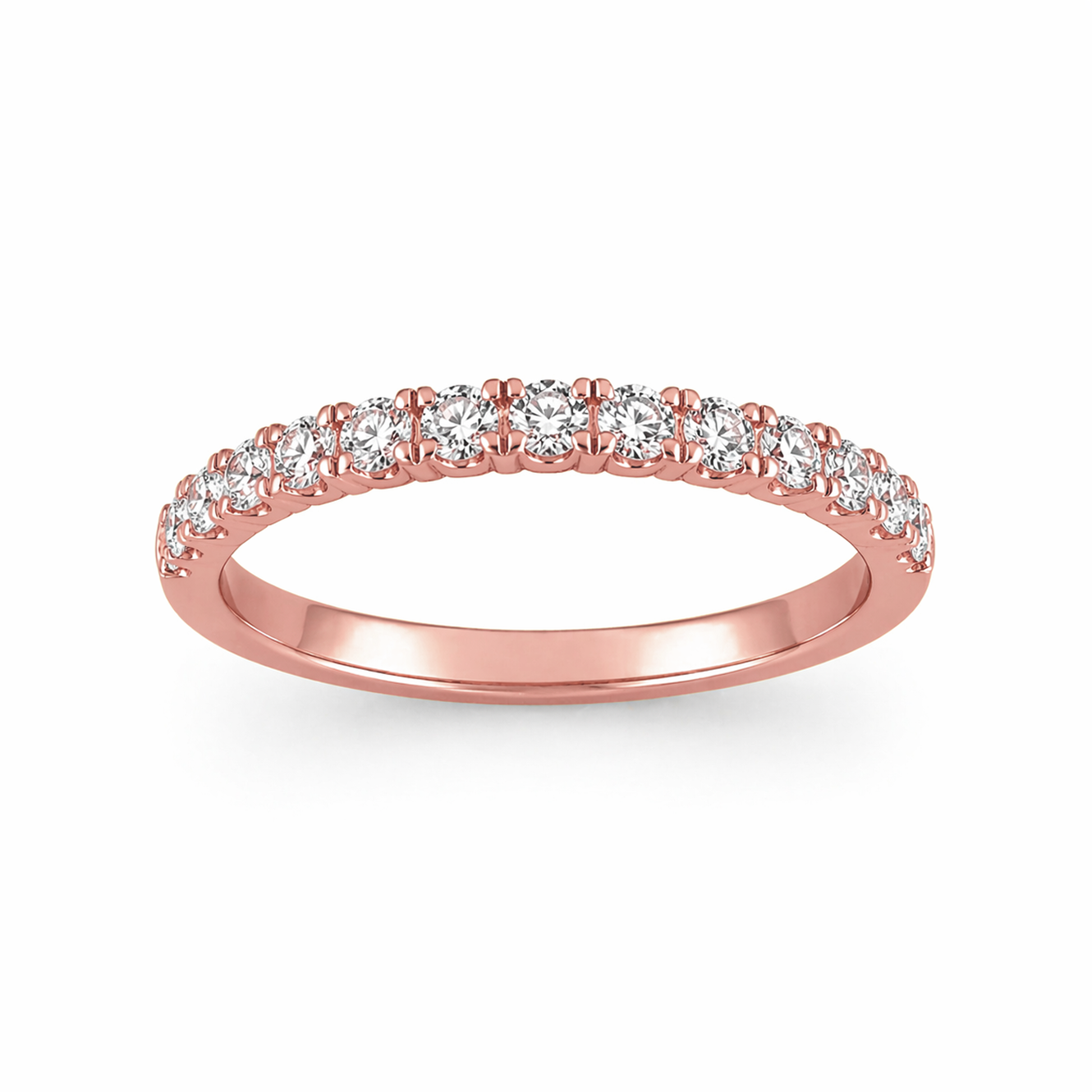
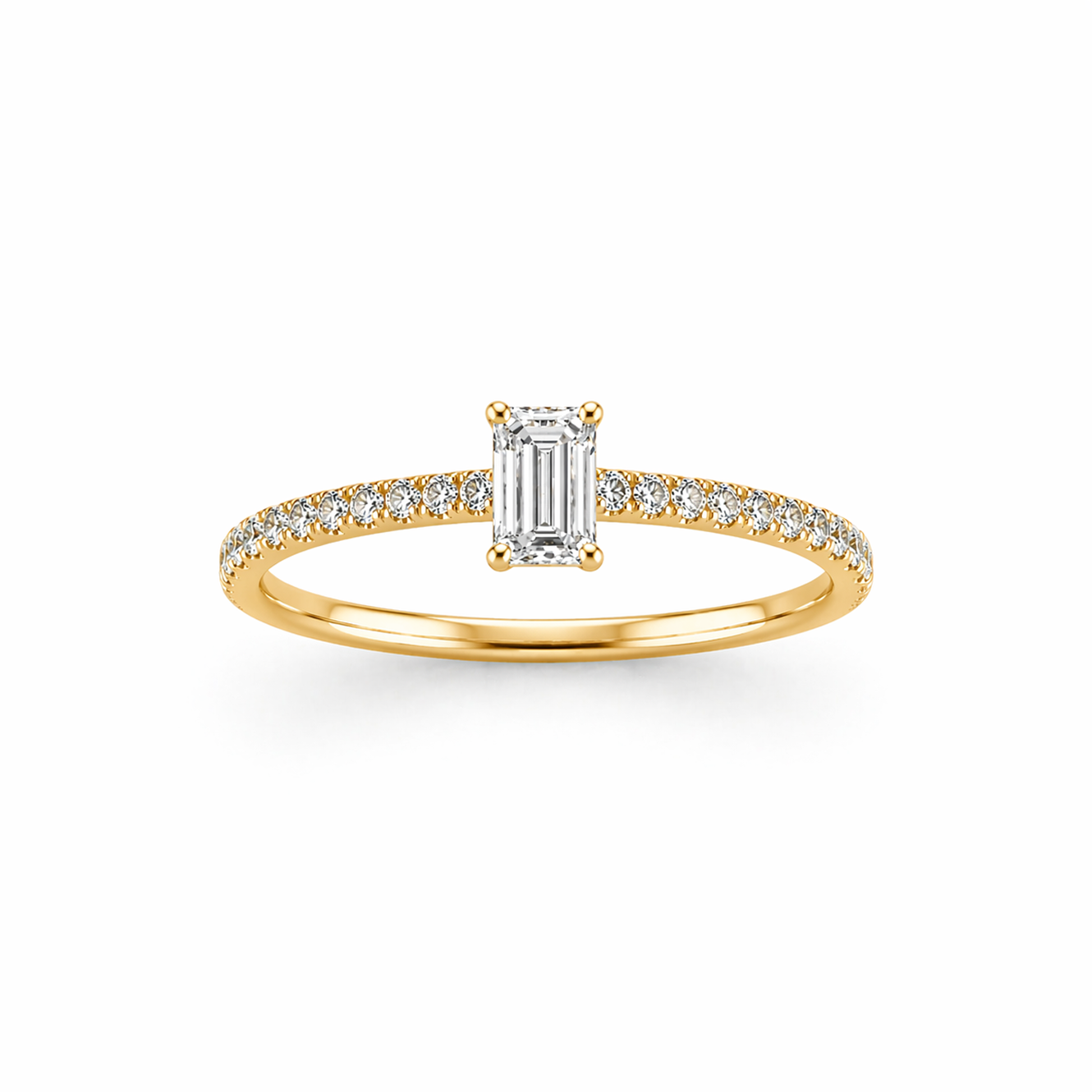
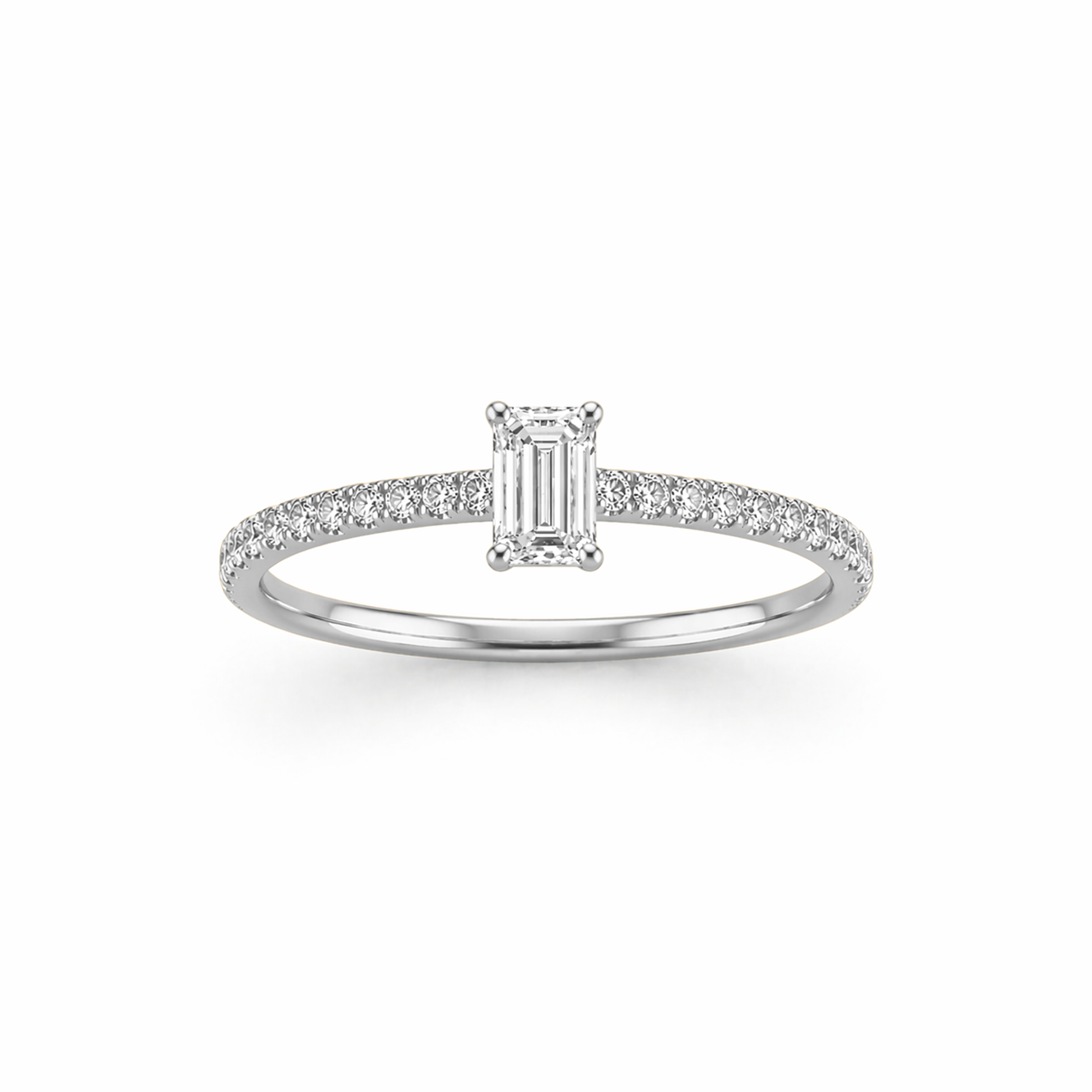
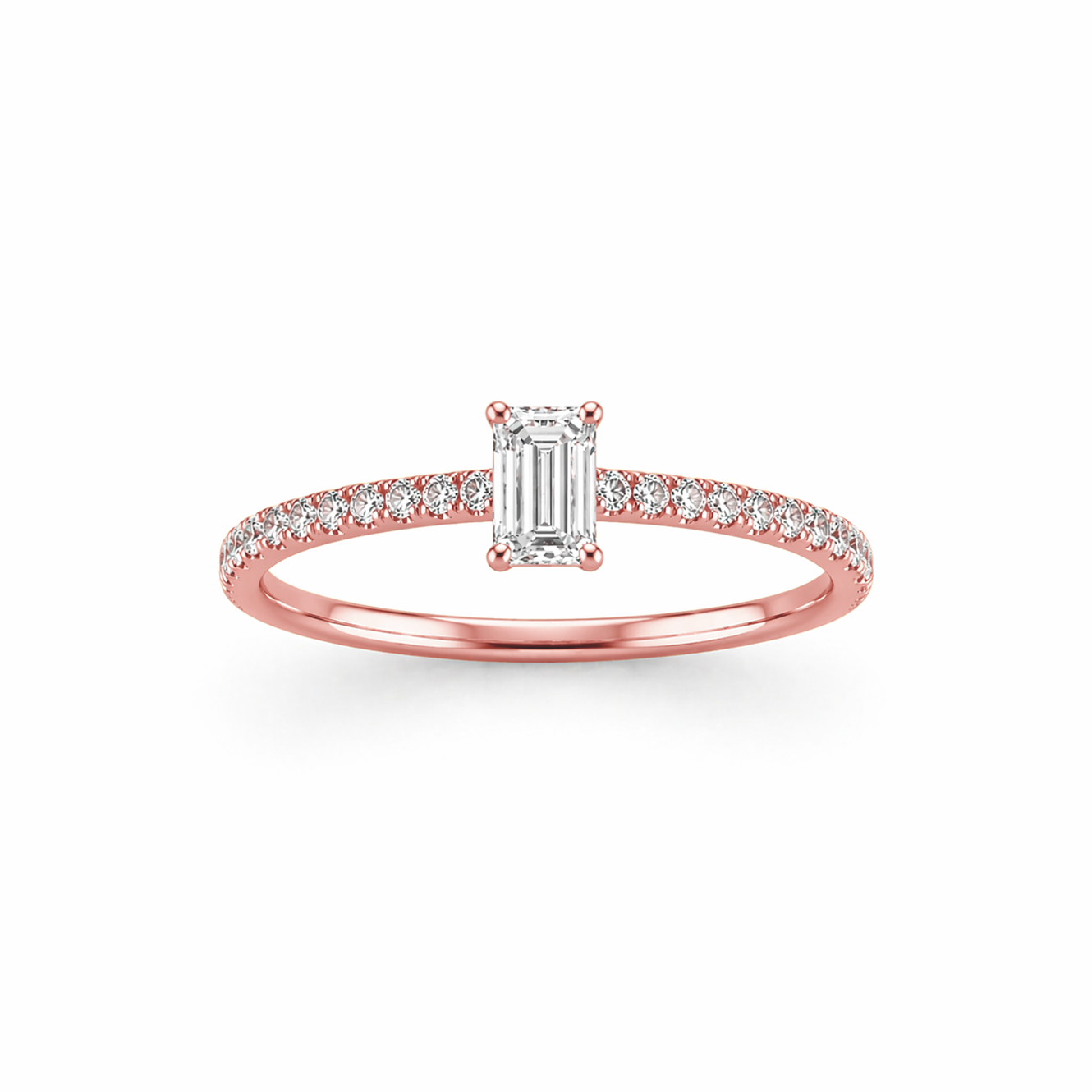
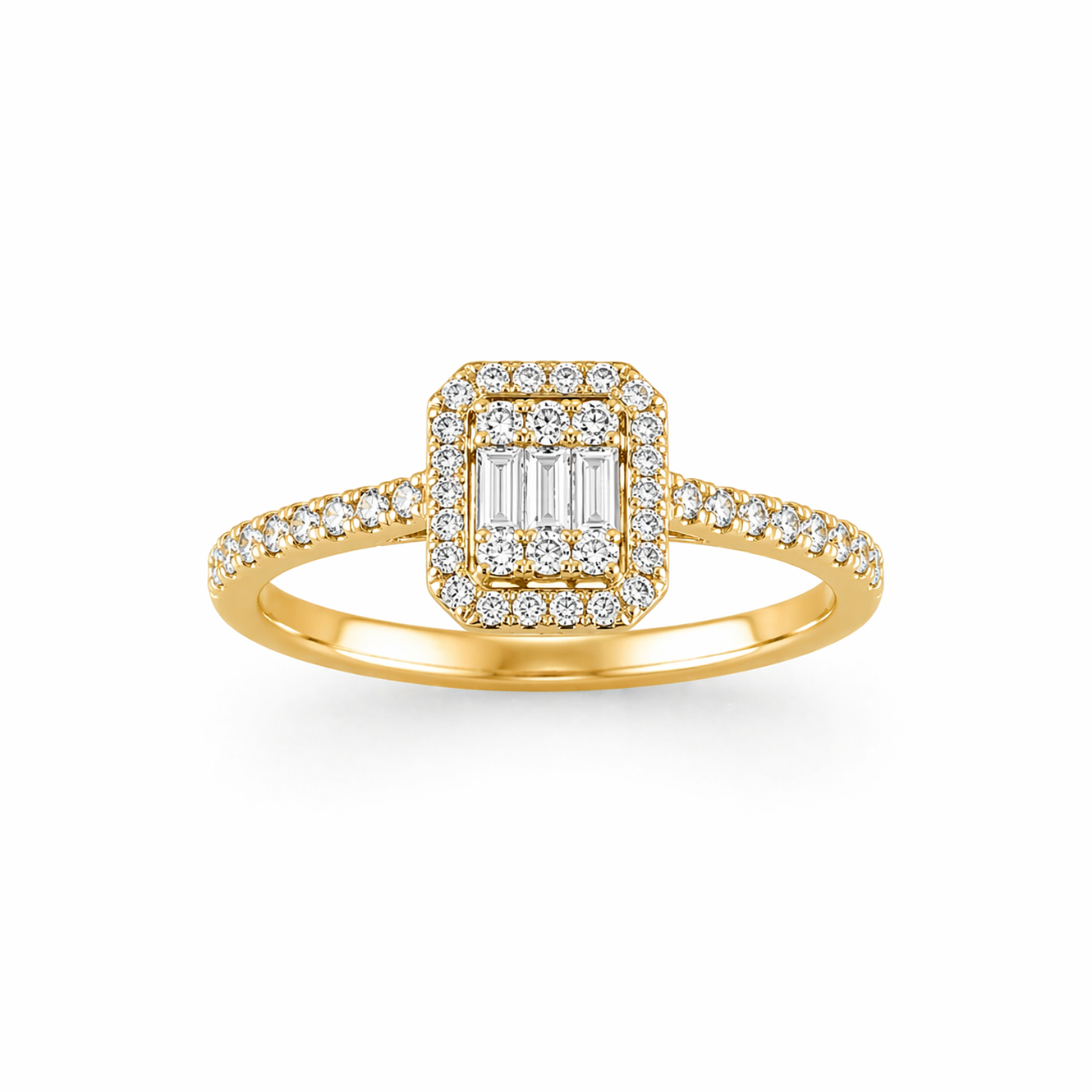
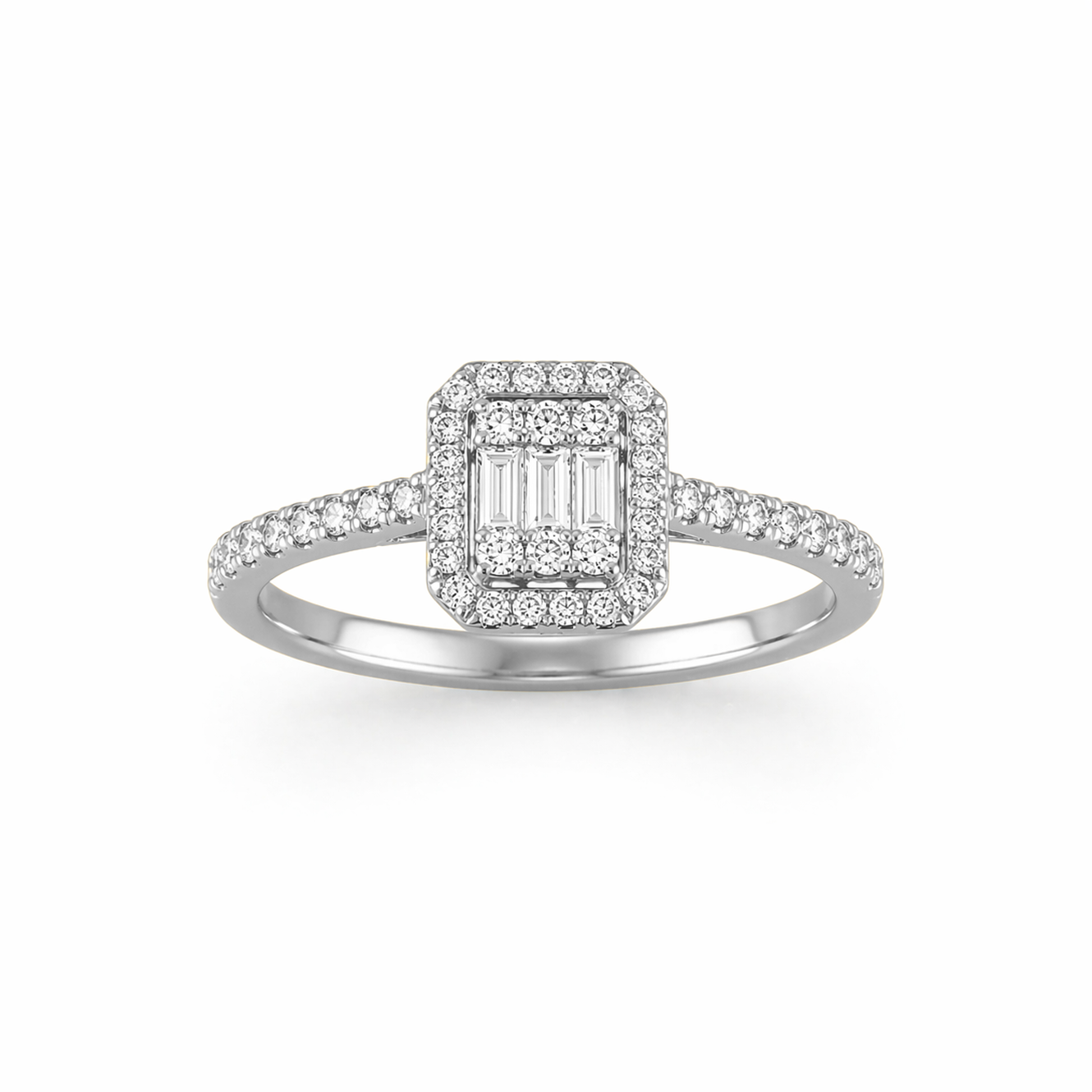
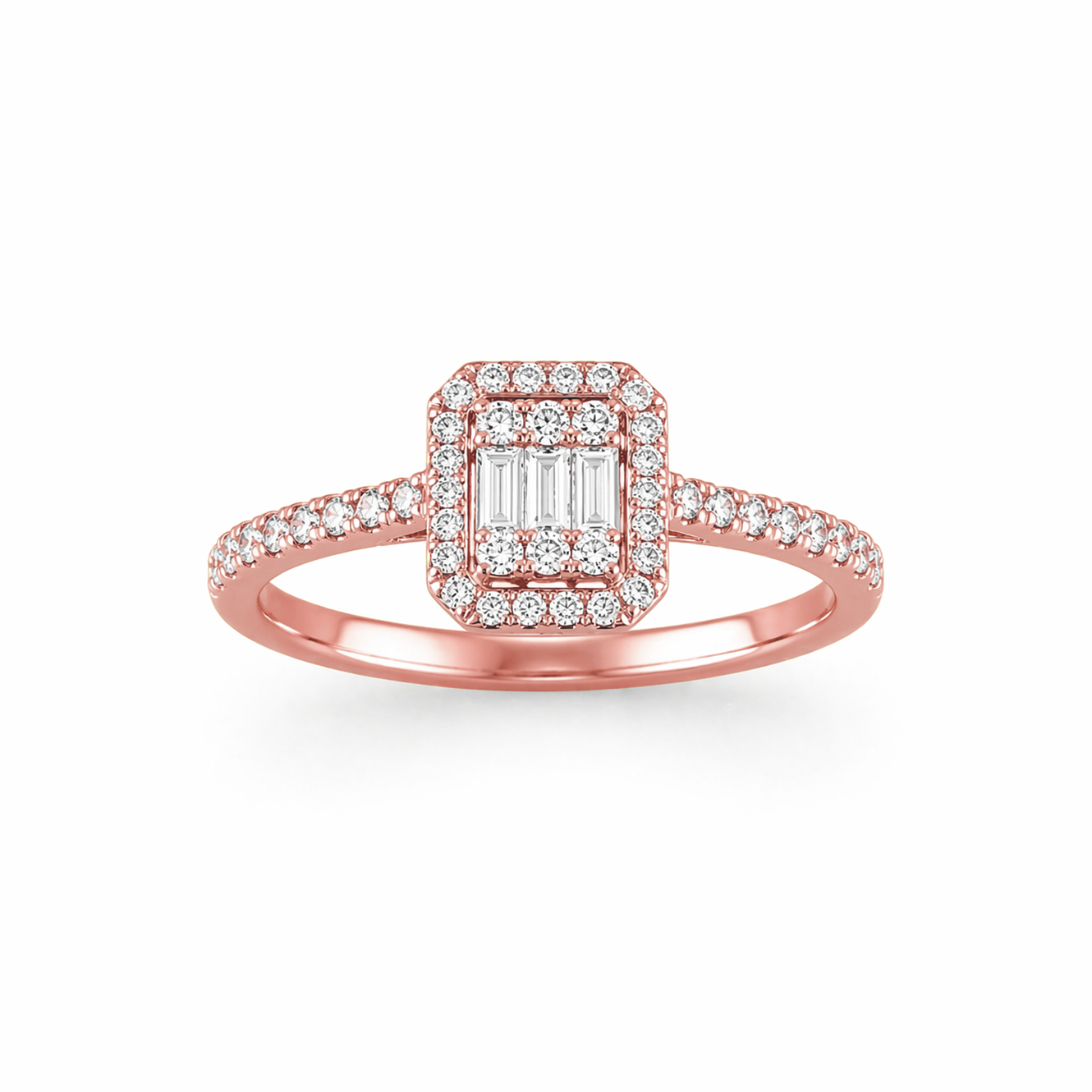
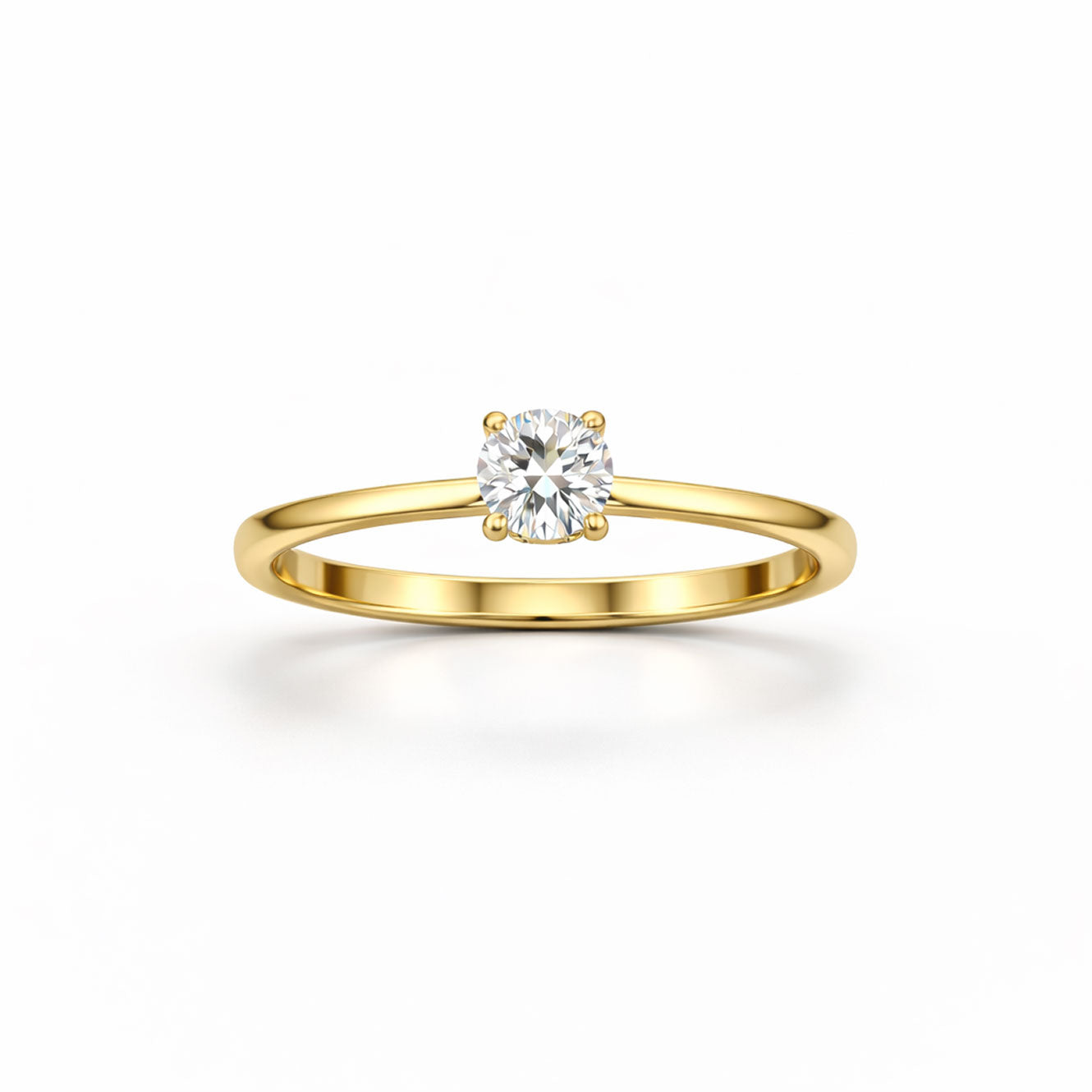
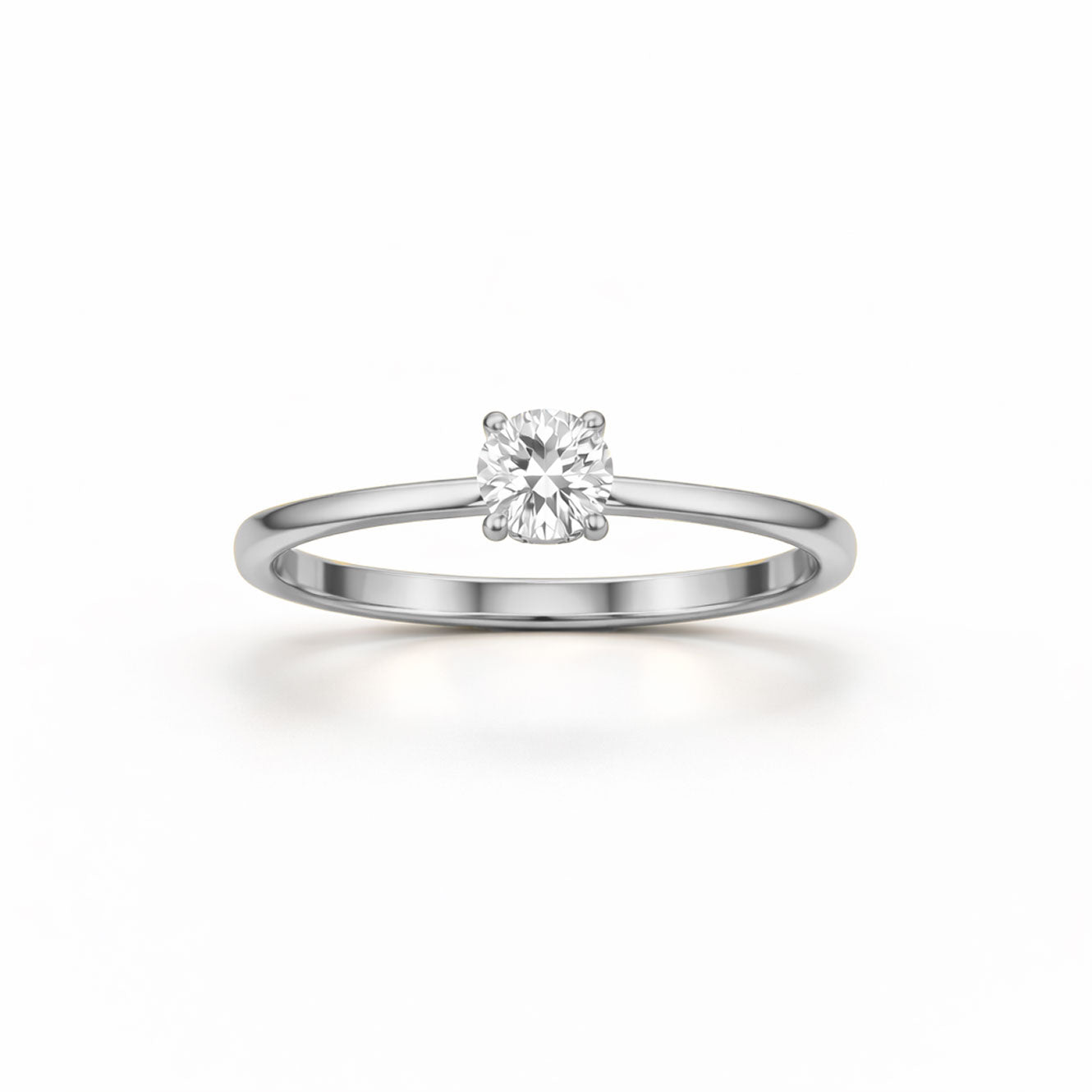
This is where Althea Diamonds fits into the picture. Operating as an online lab-grown diamond shop, Althea Diamonds is built around the idea that fine diamond jewellery can be part of everyday life rather than being reserved exclusively for rare occasions.
By focusing on lab-grown diamonds, the brand offers consumers an alternative to traditional mined-diamond jewellery while maintaining the characteristics that make diamonds desirable in the first place. The approach reflects a broader shift in the luxury market: consumers increasingly have more choice in how they define value, quality, design, and everyday luxury.
For anyone exploring the luxury diamond jewellery market in Dubai, this combination of heritage and innovation is worth understanding. Dubai's diamond credentials are not new. They are supported by a major international trading exchange, a long-standing role in the Kimberley Process, and record-setting trade volumes.
What is changing is the range of ways consumers can participate in that market. The traditional diamond trade remains a major part of Dubai's identity, while lab-grown diamonds and other emerging categories are creating new opportunities for jewellers and consumers alike.
Whether you're a jeweller sourcing inventory, a traveller exploring Dubai's jewellery districts, or a consumer looking for fine jewellery, the takeaway is the same: Dubai's diamond market is deeply established, but it is not standing still.
Lab-grown diamonds have not replaced the city's traditional strengths. Instead, they have added another dimension to an already sophisticated market, helping create a new generation of modern luxury jewellery that places greater emphasis on choice, accessibility, and contemporary consumer preferences.
Brands like Althea Diamonds, built specifically around the lab-grown category, offer a glimpse of where that evolution may be heading: toward a more accessible and diverse luxury jewellery market for UAE consumers and international shoppers alike.


