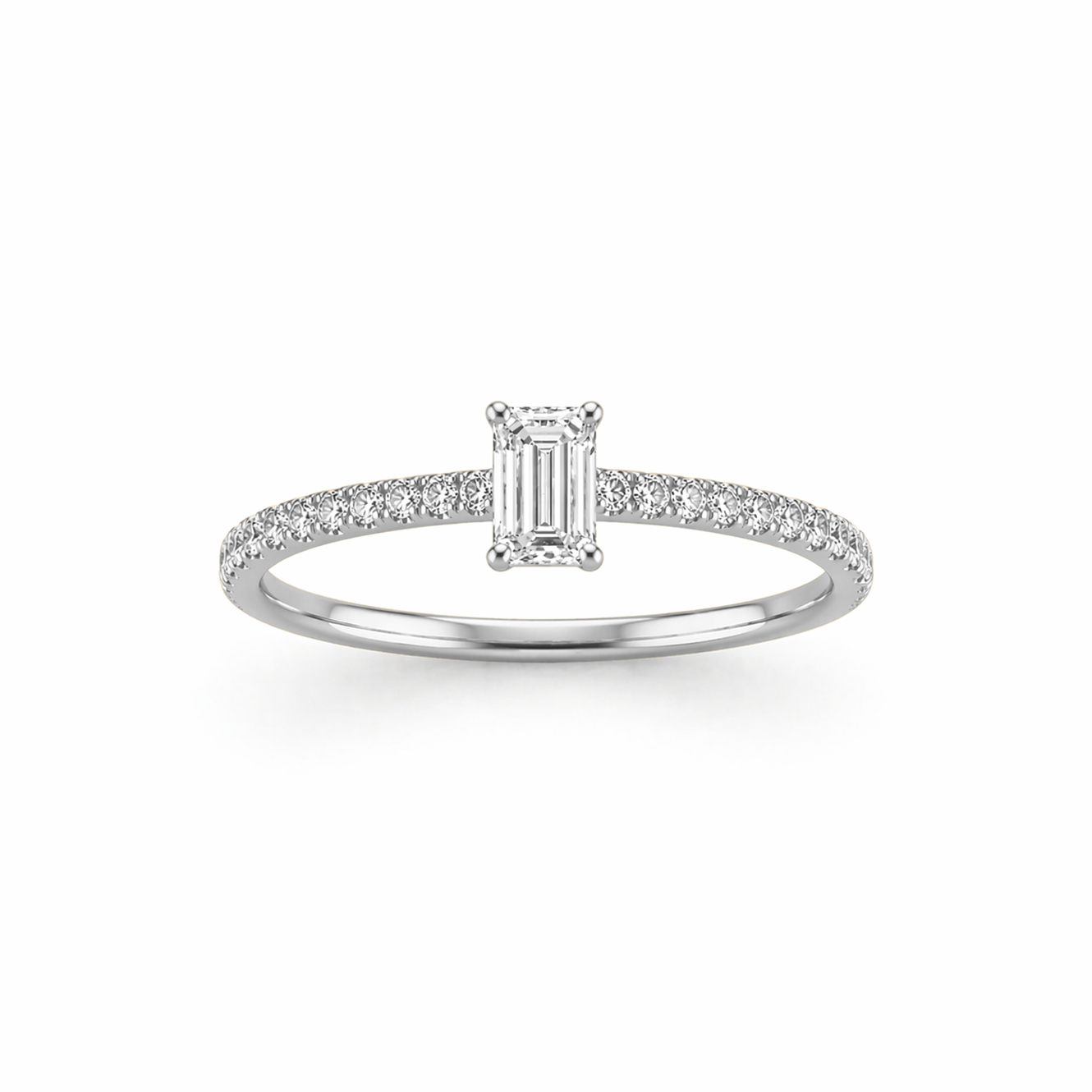
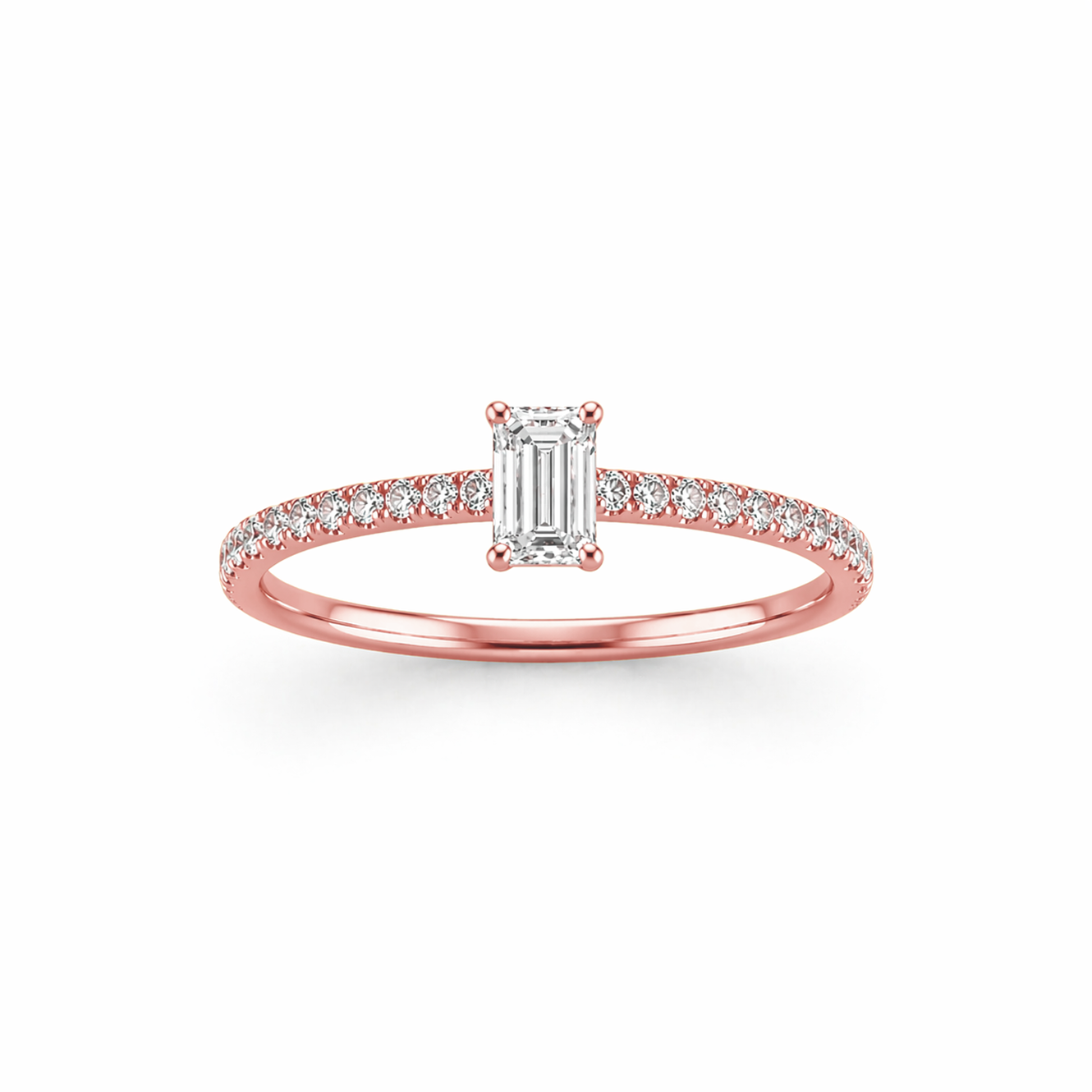
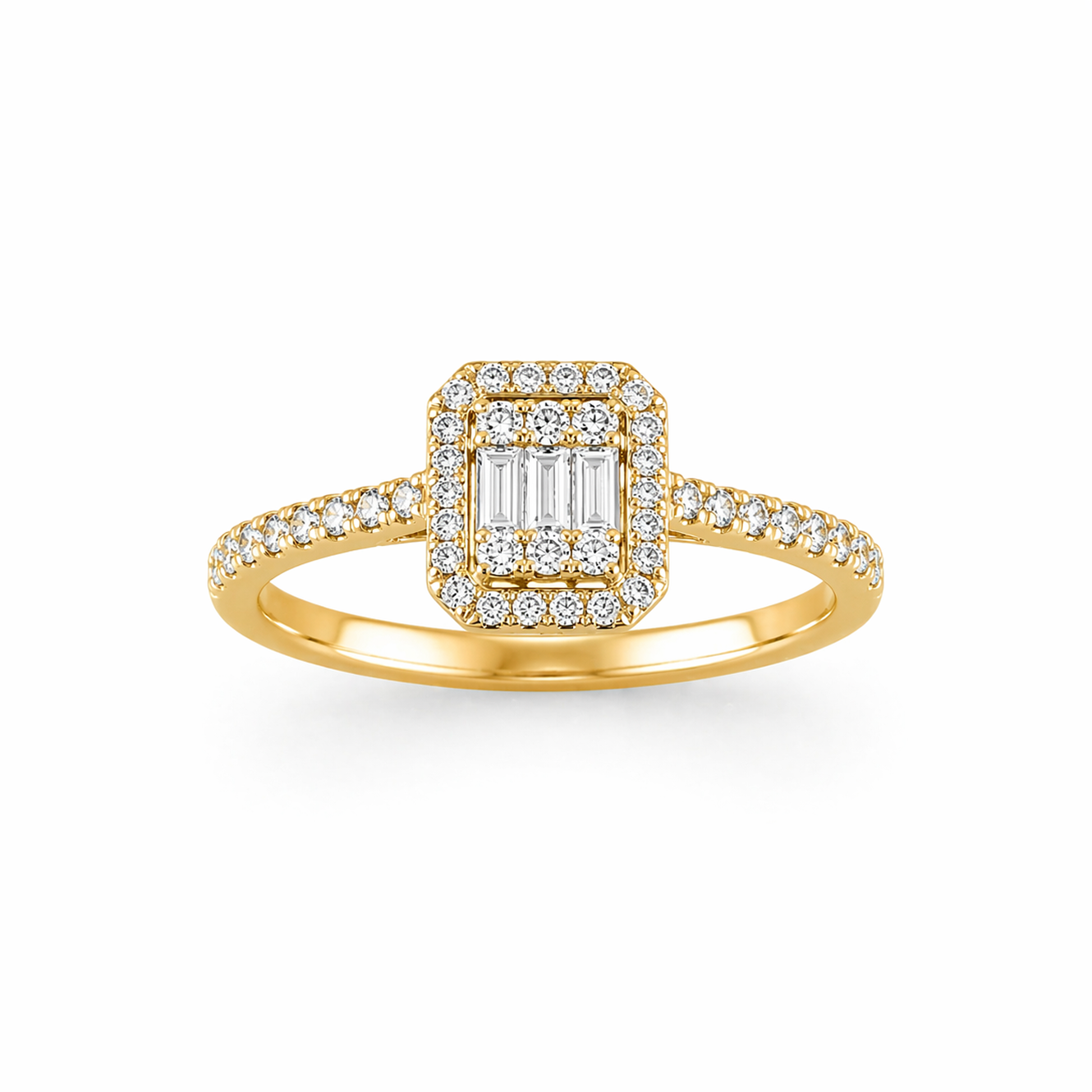
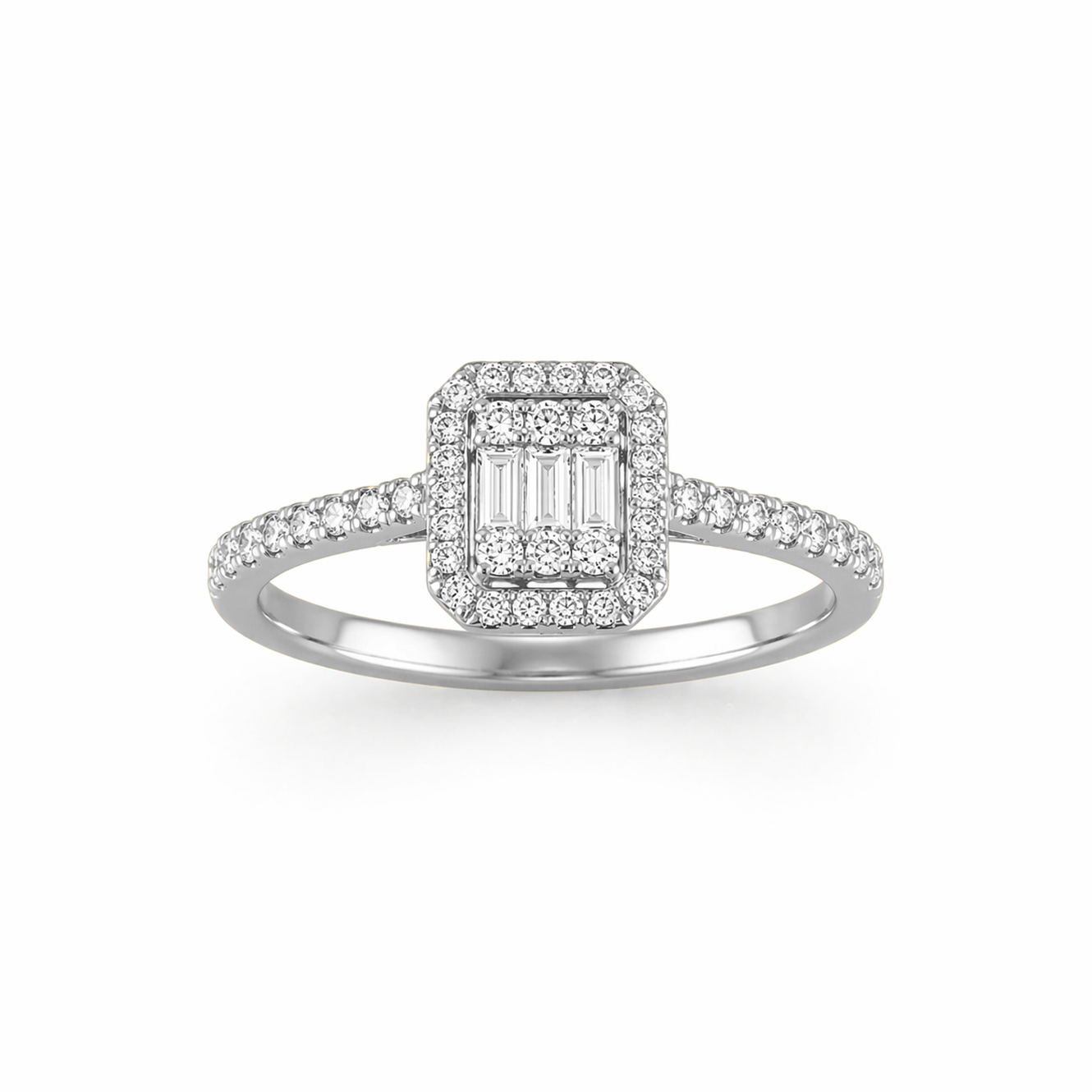
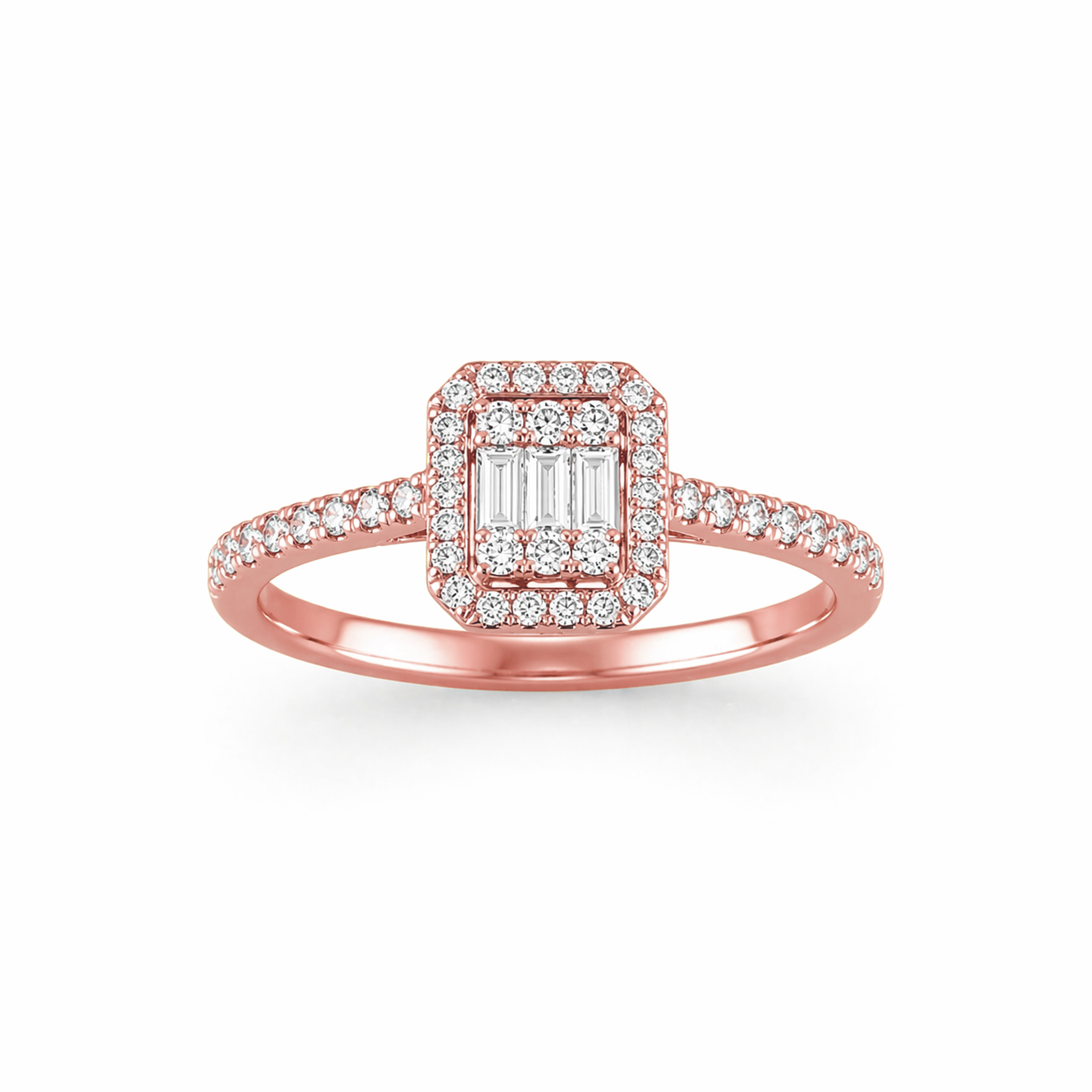
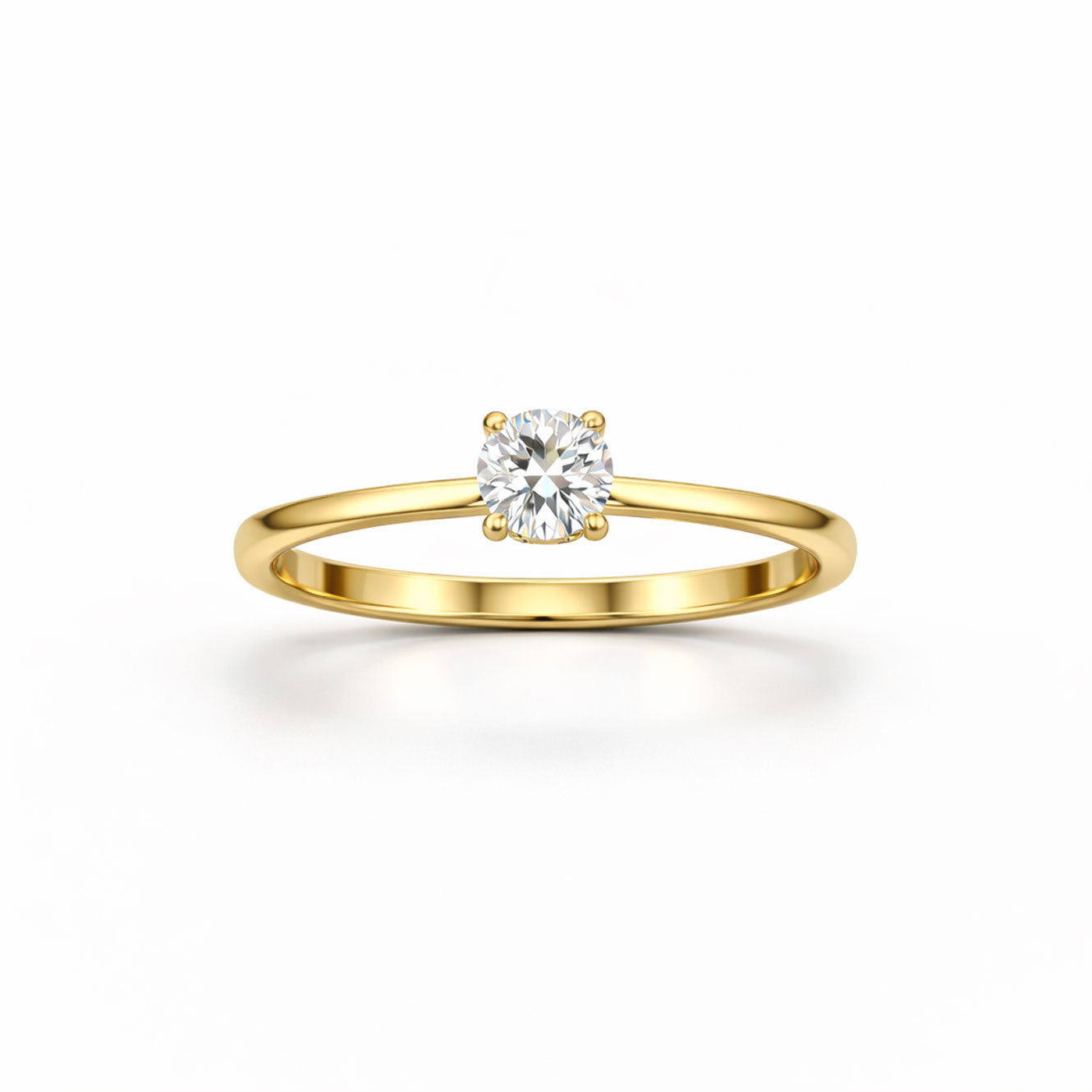
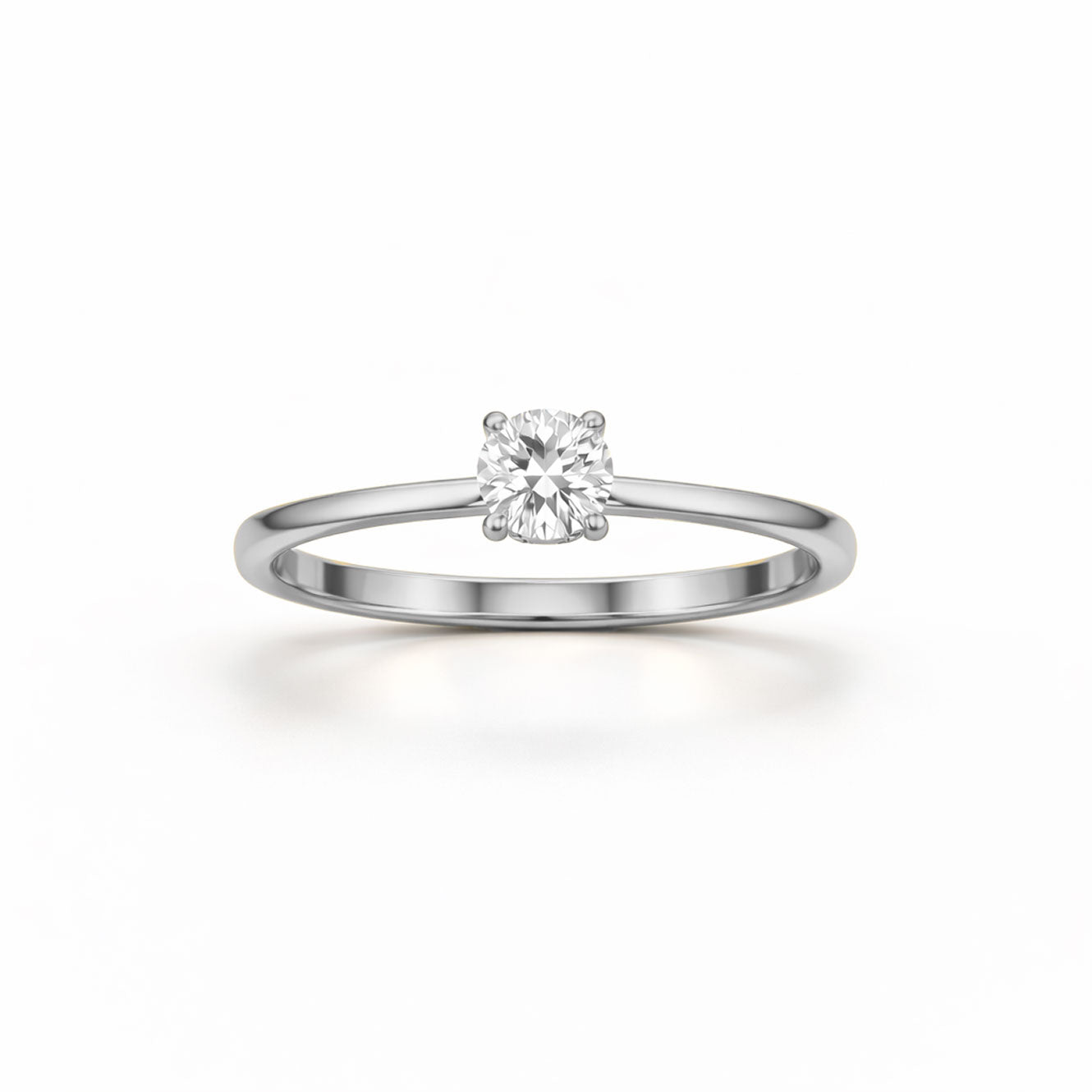


Two lab-grown diamonds can have the same carat weight and still have different prices, appearances and grading results.
For example, you might find two 1-carat round lab-grown diamonds, but one costs noticeably more than the other. The reason is simple: carat weight measures how much a diamond weighs, not its overall quality or appearance.
To compare two lab-grown diamonds properly, you need to look beyond carat weight and examine their cut, colour, clarity, measurements, grading report and other documented characteristics.
Why Do Lab-Grown Diamonds With the Same Carat Weight Cost Different Amounts?
Carat weight is only one factor used to describe a diamond. Two diamonds weighing exactly 1 carat can have different proportions, colour, clarity, cut quality and face-up appearance.
Even when two diamonds have the same carat weight and shape, they may not look identical. Their dimensions can differ because of how the weight is distributed throughout the stone.
Price can also vary according to the diamond's documented characteristics, grading laboratory, shape, proportions, treatments or growth information, as well as the seller's pricing.
This is why comparing only the carat weight can give you an incomplete picture.
The 4Cs Still Matter, But Check the Grading System
The traditional 4Cs are Colour, Clarity, Cut and Carat Weight. They remain an important way to understand diamond characteristics, and laboratories such as IGI provide 4Cs assessments for lab-grown diamonds.
However, grading terminology is not identical across every laboratory.
For example, since October 1, 2025, GIA has used a Premium or Standard quality assessment for qualifying loose, colourless-to-near-colourless lab-grown diamonds. Its assessment considers clarity, colour, polish, symmetry and cut.
That means you should always check which laboratory issued the report and what its grading system means before comparing two certificates.
Cut
Cut describes how a diamond's facets, proportions and finish work together to interact with light.
For round brilliant diamonds, cut has a major influence on brightness, fire and scintillation. GIA's cut assessment considers factors including proportions, symmetry and polish.
A diamond with poor proportions can lose light and appear less bright. A diamond with well-balanced proportions can appear brighter and more lively.
Color
Colour describes the presence or absence of body colour in a diamond.
For diamonds in the traditional D-to-Z colour scale, D represents the highest colour grade, and increasing letters indicate progressively more visible body colour.
When comparing two diamonds, make sure you are comparing equivalent grading terminology rather than assuming that two labels from different laboratories mean exactly the same thing.
Clarity
Clarity describes the presence, size, location and nature of internal and external characteristics.
Two diamonds with the same clarity grade can still have different inclusions and may look different to the eye. This is why the clarity grade should not be considered in isolation.
Carat Weight
Carat is a measurement of weight, not visual size.
Two diamonds can weigh the same but have different length, width and depth measurements. Consequently, one may appear larger or smaller when viewed from above.
Same Carat, Different Diamond Prices: What Should You Compare?
If two lab-grown diamonds have the same carat weight, use this checklist before comparing their prices:
-
Check the shape and cutting style. A round brilliant and an oval, for example, are different shapes and should not be compared solely by carat weight.
-
Compare the measurements. Look at the length, width and depth shown on the grading report. Two diamonds with the same carat weight can have different dimensions.
-
Compare the cut information. For round brilliant diamonds, examine the cut grade and supporting information about proportions, polish and symmetry.
-
Compare color. Check the color grades or assessment provided by the laboratory and make sure you are comparing equivalent grading terminology.
-
Compare clarity. Look beyond the grade where possible and consider the location and visibility of inclusions.
-
Check the grading report. Confirm the report number and diamond details, and use the laboratory's verification system where available.
-
Review additional information. Depending on the report and laboratory, look for information about growth method, treatments and other characteristics.
-
Compare the actual price last. Once you understand what you are comparing, the price difference becomes easier to interpret.
Why Can Two Diamonds With the Same Carat Weight Look Different?
Two diamonds with the same carat weight do not necessarily look identical.
One reason is cut and proportion. A diamond's crown, pavilion, table, girdle and other proportions affect how light interacts with the stone. GIA notes that proportions and facet relationships influence brightness, fire, scintillation and face-up appearance.
Depth is particularly important because a diamond can distribute its weight differently below the girdle. As a result, two 1-carat diamonds can have different face-up measurements.
Clarity characteristics can also affect appearance when they are large, numerous or positioned where they are easily visible. However, a clarity grade alone does not tell you exactly how a particular diamond will look.
Lighting also matters. A diamond can appear different in sunlight, indoor lighting and other environments because its facets interact with the surrounding light differently.
This is why photographs, videos and, where possible, viewing the actual diamond can all be useful when making a comparison.
How to Compare Lab-Grown Diamond Quality Properly
A practical way to compare two diamonds is to work from the objective information first:
1. Confirm the carat weight and shape.
Make sure you are genuinely comparing like with like.
2. Compare the measurements.
Look at length, width and depth rather than relying on carat weight alone.
3. Review cut information.
For round brilliant diamonds, cut grade, proportions, polish and symmetry can provide useful information about the stone's appearance.
4. Compare colour and clarity.
Check the grades or classifications provided by the same laboratory where possible.
5. Inspect the grading report.
Make sure the report corresponds to the actual diamond and check whether the laboratory provides online report verification.
6. Look at the diamond itself.
High-resolution photography and video can help you assess face-up appearance, although they should be considered alongside the grading information.
7. Compare price after comparing the specifications.
A price difference is easier to understand when you know exactly what differs between the two stones.
Why the Grading Report Matters
A grading report provides independent documentation of a diamond's characteristics and can make comparisons more transparent.
However, it is important to understand that not all laboratories use identical grading systems.
IGI's current laboratory-grown diamond reports provide information including shape, cutting style, measurements and 4Cs assessments where applicable.
GIA's current laboratory-grown service for qualifying colourless-to-near-colourless diamonds uses its Premium or Standard quality assessment system.
Therefore, when comparing two certificates, do not simply compare individual labels without first checking what those labels represent.
What About Lab-Grown Diamond Prices in Dubai?
For Dubai buyers, the same comparison principles apply whether you are shopping online or visiting a jewellery store.
You may find different prices for diamonds with the same carat weight because the stones have different specifications, proportions, grading documentation or commercial pricing.
Rather than asking only, "How much is a 1-carat lab-grown diamond?", ask:
-
What is the exact carat weight?
-
What are the diamond's measurements?
-
What shape and cutting style is it?
-
What does the grading report say?
-
Which laboratory issued the report?
-
What colour and clarity information is provided?
-
What are the cut, polish and symmetry details?
-
Are there any treatment or growth-related comments?
-
Can the grading report be independently verified?
This creates a much more meaningful comparison than price per carat alone.
The Bottom Line
Two lab-grown diamonds with the same carat weight can have different prices and can look different when viewed side by side.
The key is to compare the complete diamond, not just the number on the scale.
Start with the shape and measurements, then review cut, colour, clarity and the grading report. Also check the grading system used by the laboratory, because laboratories can use different terminology and assessment methods.
Once you understand those differences, a price comparison becomes much more useful. You are no longer comparing two diamonds simply because they both weigh 1 carat; you are comparing the actual characteristics that make each stone different.
If you are comparing certified lab-grown diamonds, you can explore the collection at Althea Diamonds and review the available diamond specifications before making a decision.


