

Buying an engagement ring often feels like a one-time decision. You pick a diamond, you set a budget, and you move on with life. But here's something most couples never hear about: diamonds can be upgraded. And with the right approach, upgrading doesn't have to feel like starting over or spending a fortune.
This is called the diamond upgrade strategy, and it's quietly becoming one of the smartest ways couples grow their ring over time. Let's break down what it is, why it works, and how you can use it.
What Is a Diamond Upgrade Strategy?
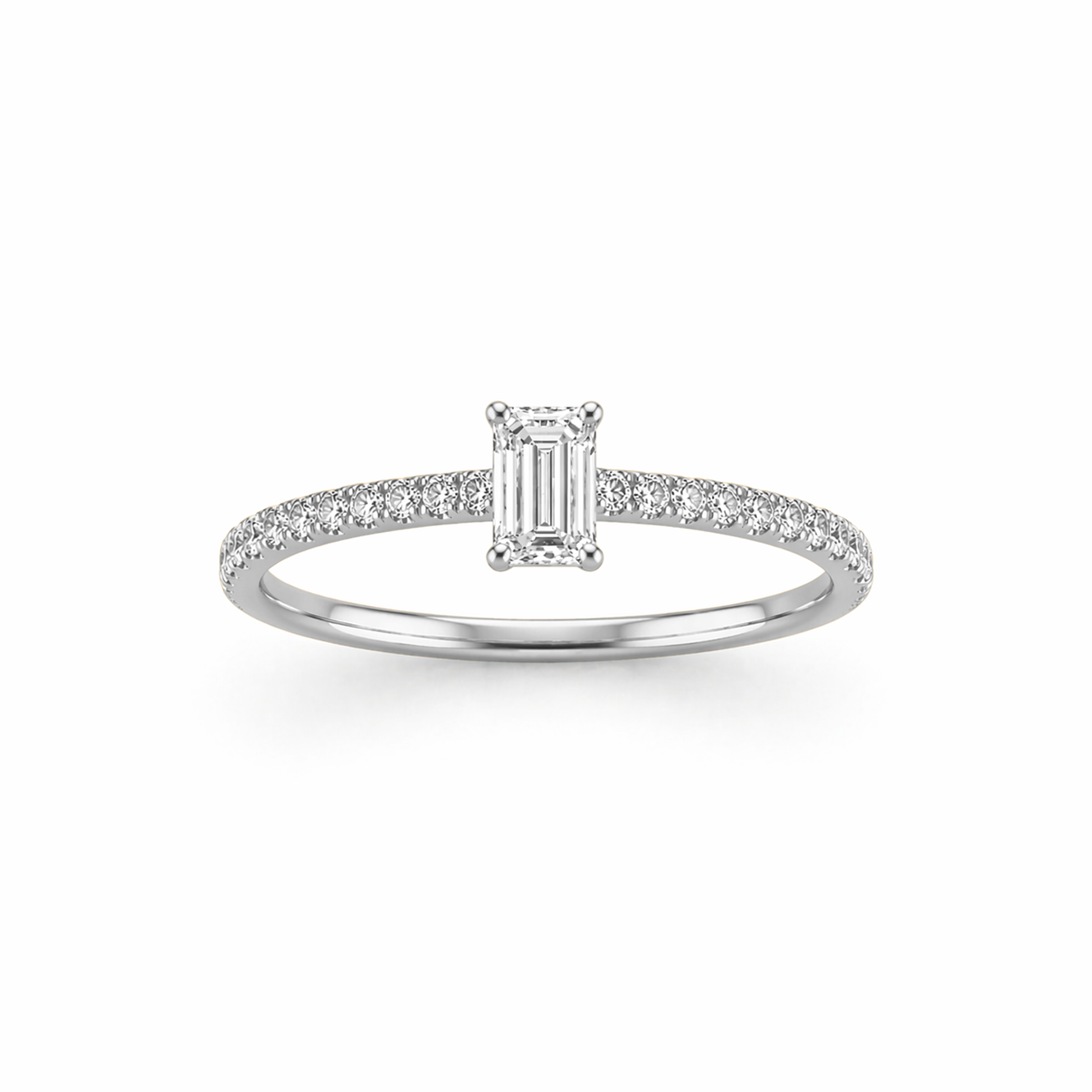
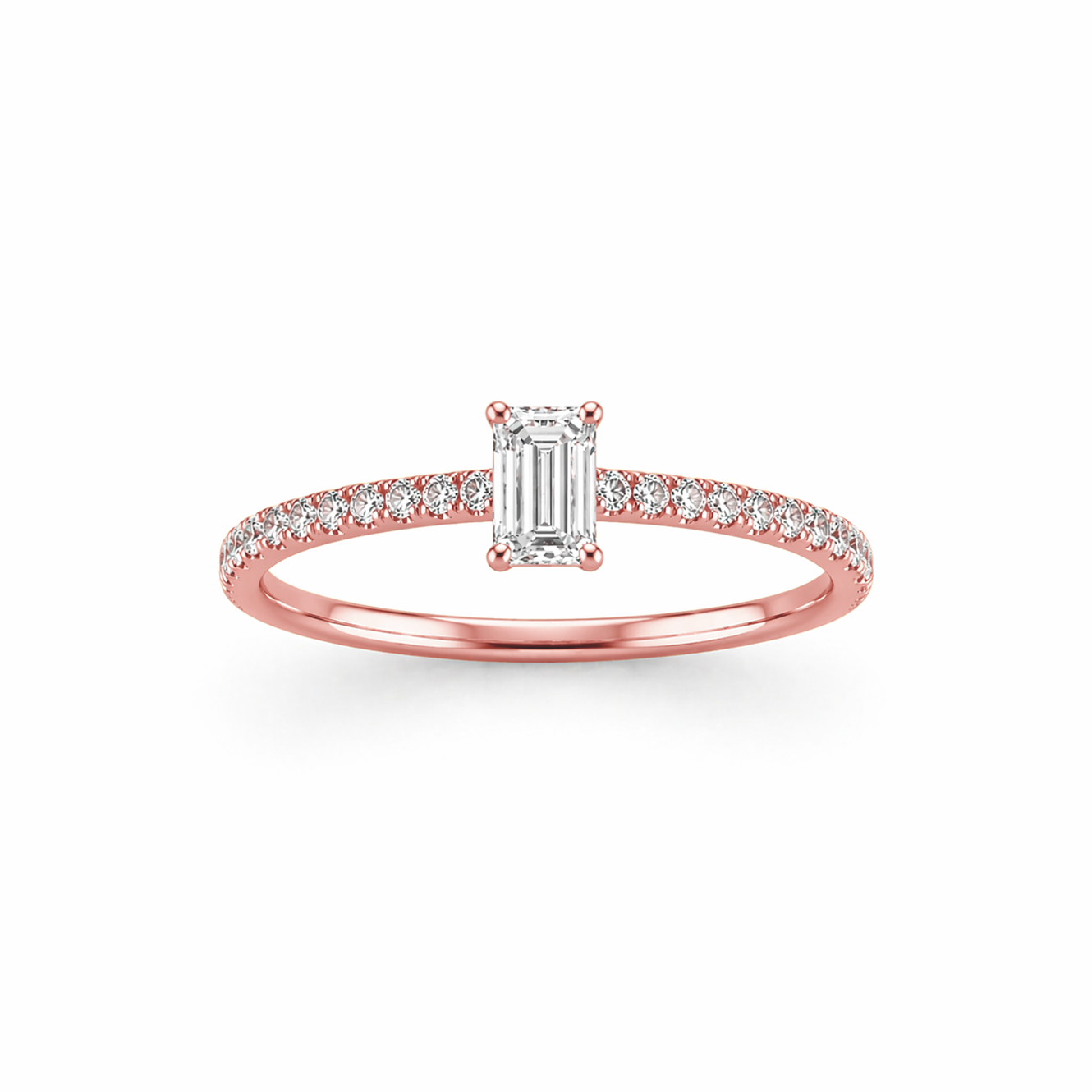
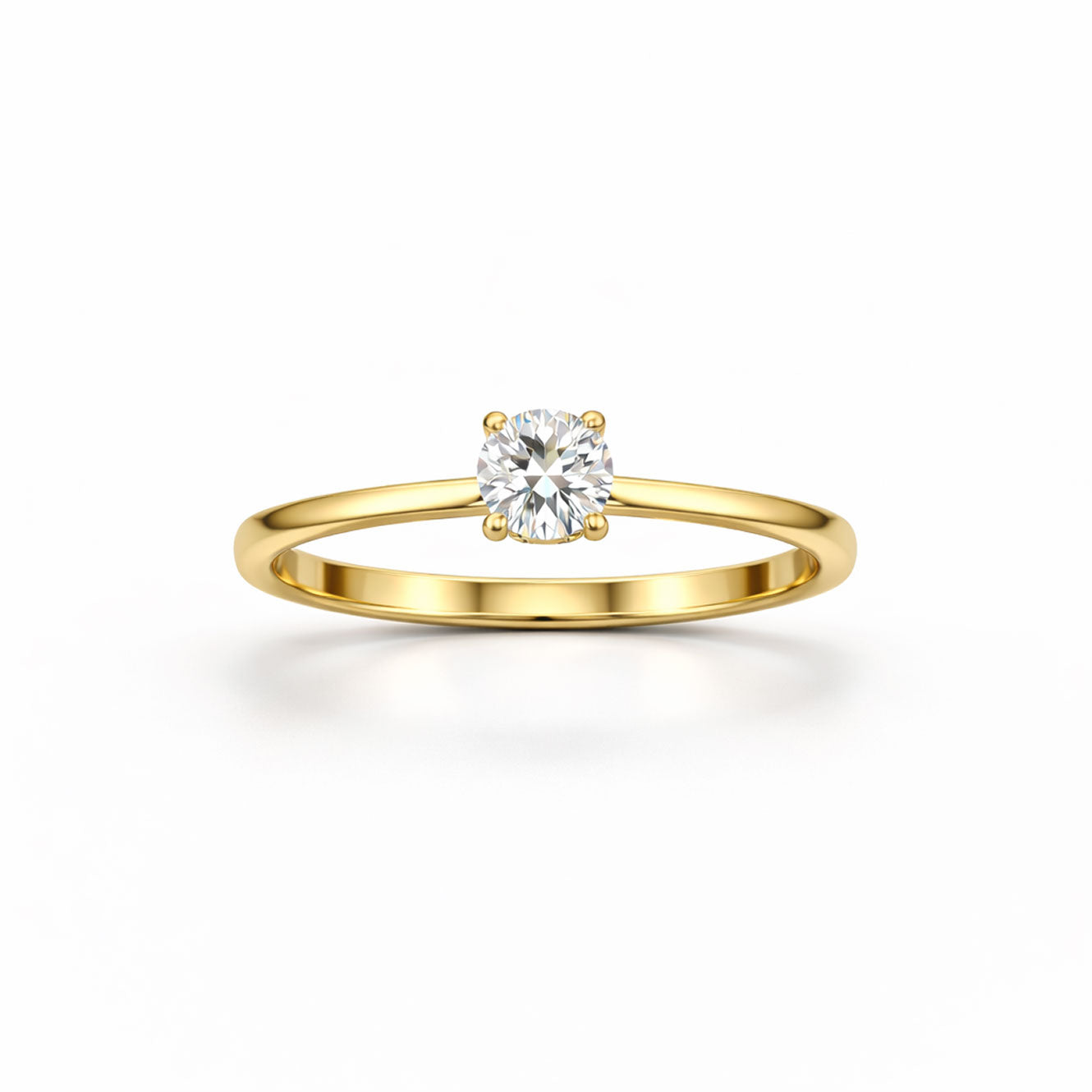
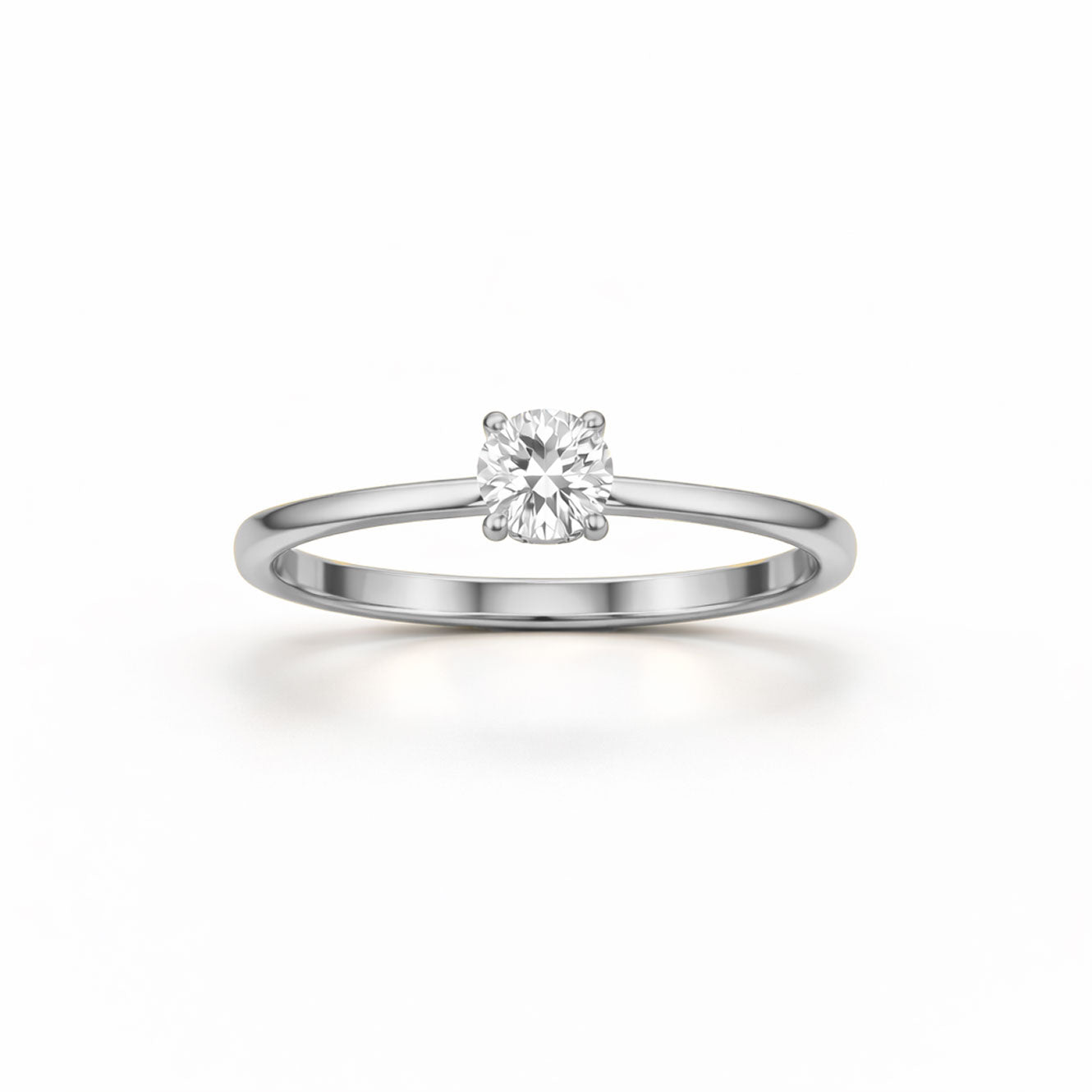
A diamond upgrade strategy is simple. Instead of buying the biggest, most expensive diamond you can afford right away, you start with a smaller, high-quality stone. Later, usually for an anniversary or a special milestone, you trade it in for a larger or better diamond.
Some jewelers offer formal upgrade or trade-up programs that let you apply the value of your original stone toward a new one. But even without a formal program, the same idea still works. You can sell or trade your first diamond privately, or simply treat it as a starting point while you save toward something bigger later. Either way, the goal is the same: you're building toward more value instead of locking everything into one purchase.
Think of it like leveling up. You're not throwing away your first ring. You're using it as a stepping stone.
Why Couples Are Choosing This Strategy
There are a few reasons this approach makes so much sense, especially now.
It removes financial pressure. Many couples feel forced to overspend on an engagement ring because they think it's their only chance to get a big diamond. The upgrade strategy removes that pressure completely. You can start smaller and grow later.
It matches real life. Early in a relationship, many couples are also saving for a wedding, an apartment, or a home. A smaller starting diamond means more room in the budget for these other priorities.
It celebrates milestones. Upgrading a diamond on a 5th or 10th anniversary turns the ring into something meaningful. It's not just jewelry anymore. It becomes a symbol of growth, shared goals, and time spent together.
It's a smart way to maximize diamond budget decisions over the long run, since you're not locking all your spending into one moment.
How the Diamond Upgrade Process Works
The process is usually simpler than people expect.
Step 1: Choose a quality starting diamond. Instead of focusing only on size, focus on cut, clarity, and color. A smaller diamond with excellent cut quality will sparkle more than a larger diamond with poor cut quality.
Step 2: Ask about upgrade or trade-in options before you buy. Not every jeweler offers a formal program, so it pays to ask first. Even if a store like Althea Diamond doesn't have one, choosing a well-certified, quality diamond from the start still makes it far easier to resell or trade privately down the line.
Step 3: Keep your paperwork. Certification documents, receipts, and grading reports matter. They confirm the diamond's quality and make the upgrade process smoother later on.
Step 4: Choose your upgrade moment. Many couples wait for an anniversary, a promotion, or another meaningful milestone. There's no rule here. The right time is whenever it feels meaningful to you.
Step 5: Apply your diamond's value toward a new one. This is where the strategy really shines. Instead of starting from zero, you use your current diamond's value as a foundation for the next one.
This approach is essentially a diamond upgrade guide in action. It turns a single purchase into an ongoing journey.
Understanding Diamonds Before You Upgrade
To upgrade well, it helps to understand a few diamond basics.
The 4 Cs still matter most. Cut, clarity, color, and carat weight all affect a diamond's beauty and value. Cut has the biggest impact on sparkle, so it should never be sacrificed for size. A knowledgeable jeweler, such as Althea Diamond, can walk you through these factors so you know exactly what you're paying for before you commit to a stone.
Carat weight isn't everything. A 1-carat diamond with great cut and clarity can look more brilliant than a 1.5-carat diamond that's poorly cut. When people ask how to get a larger diamond without sacrificing quality, the answer is usually patience and strategy, not just budget.
Lab-grown diamonds have changed the game. Lab-grown diamonds are chemically identical to natural diamonds, but they usually cost significantly less. This is one reason lab grown engagement rings Dubai have become so popular. Couples get more size and clarity for their money, which makes upgrading even easier down the road.
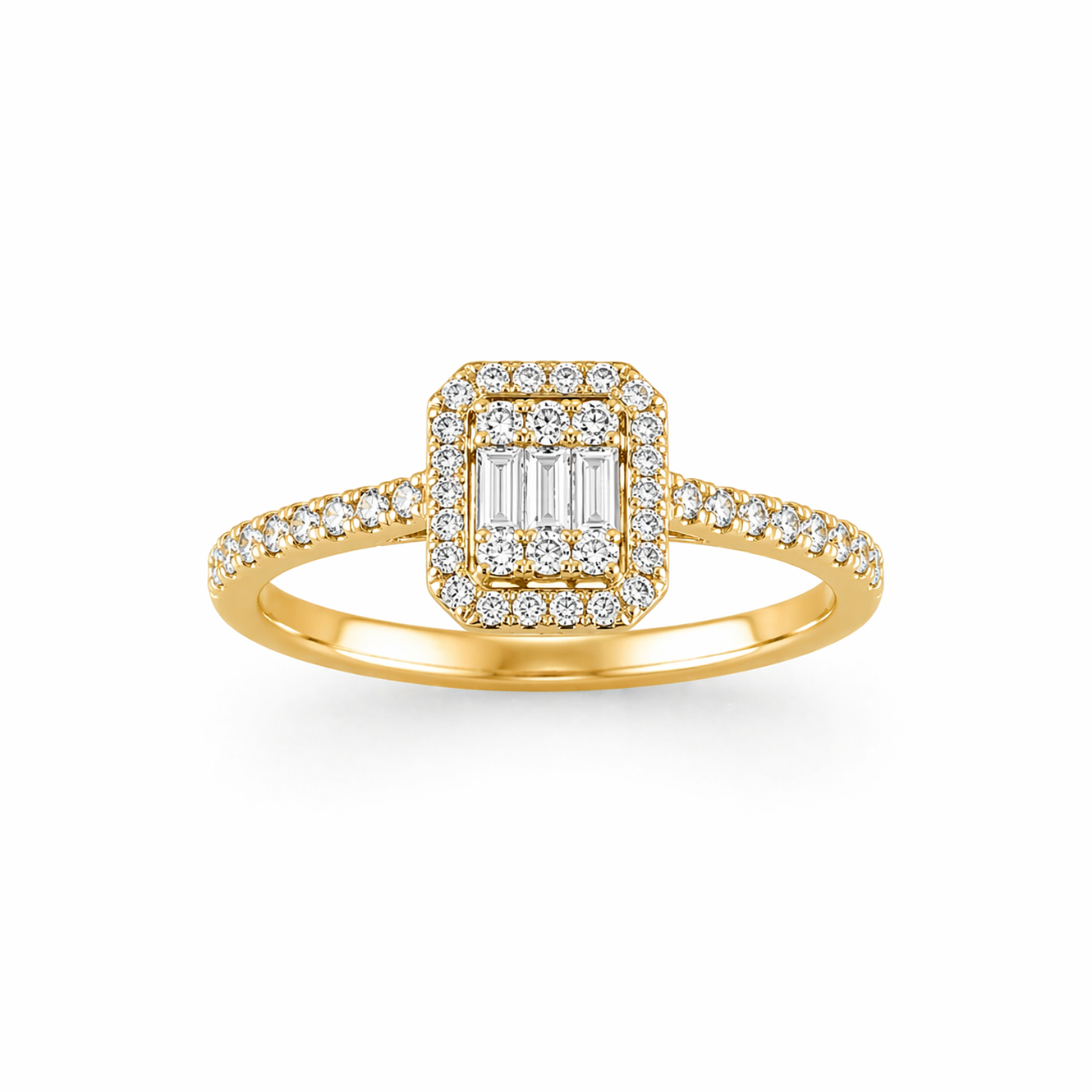
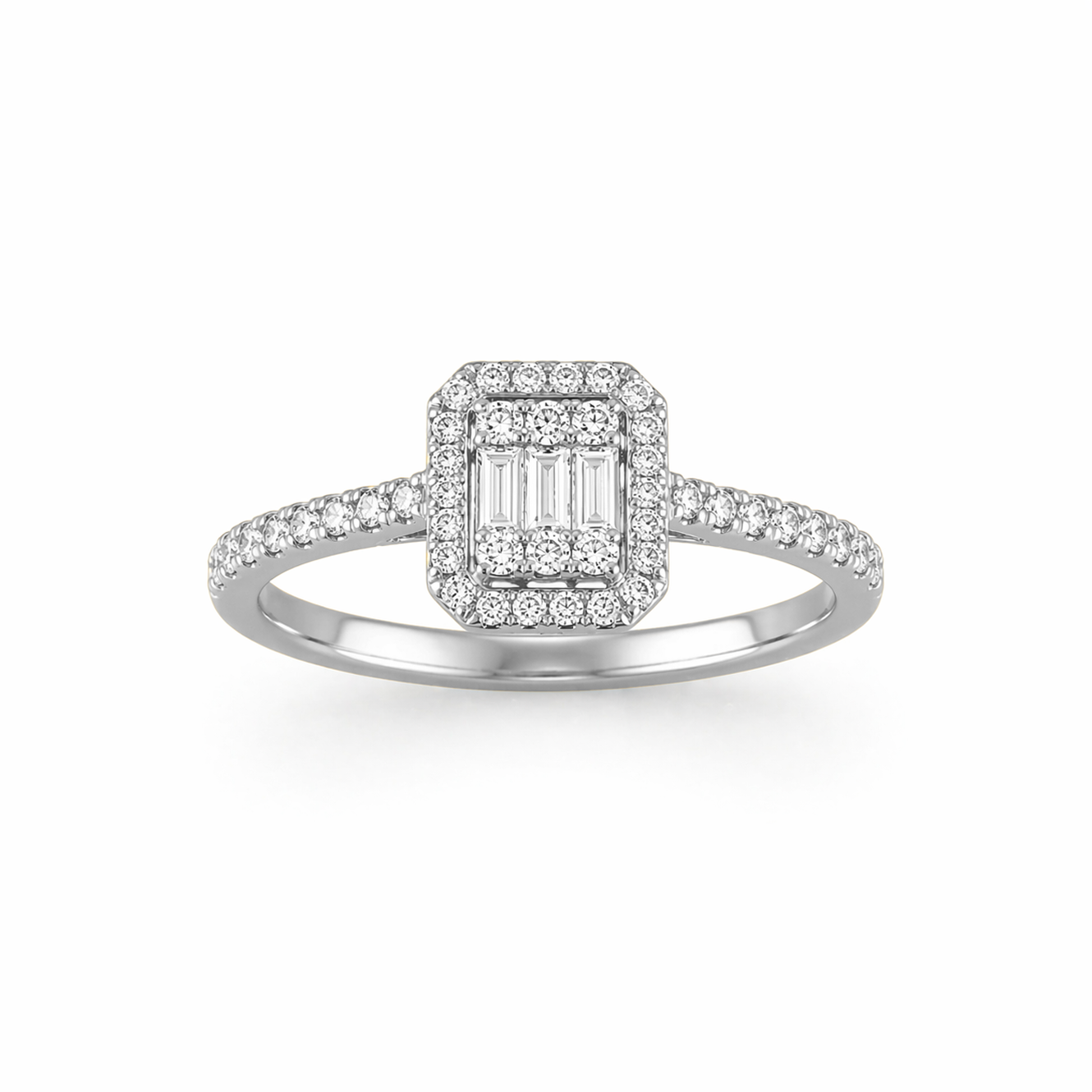
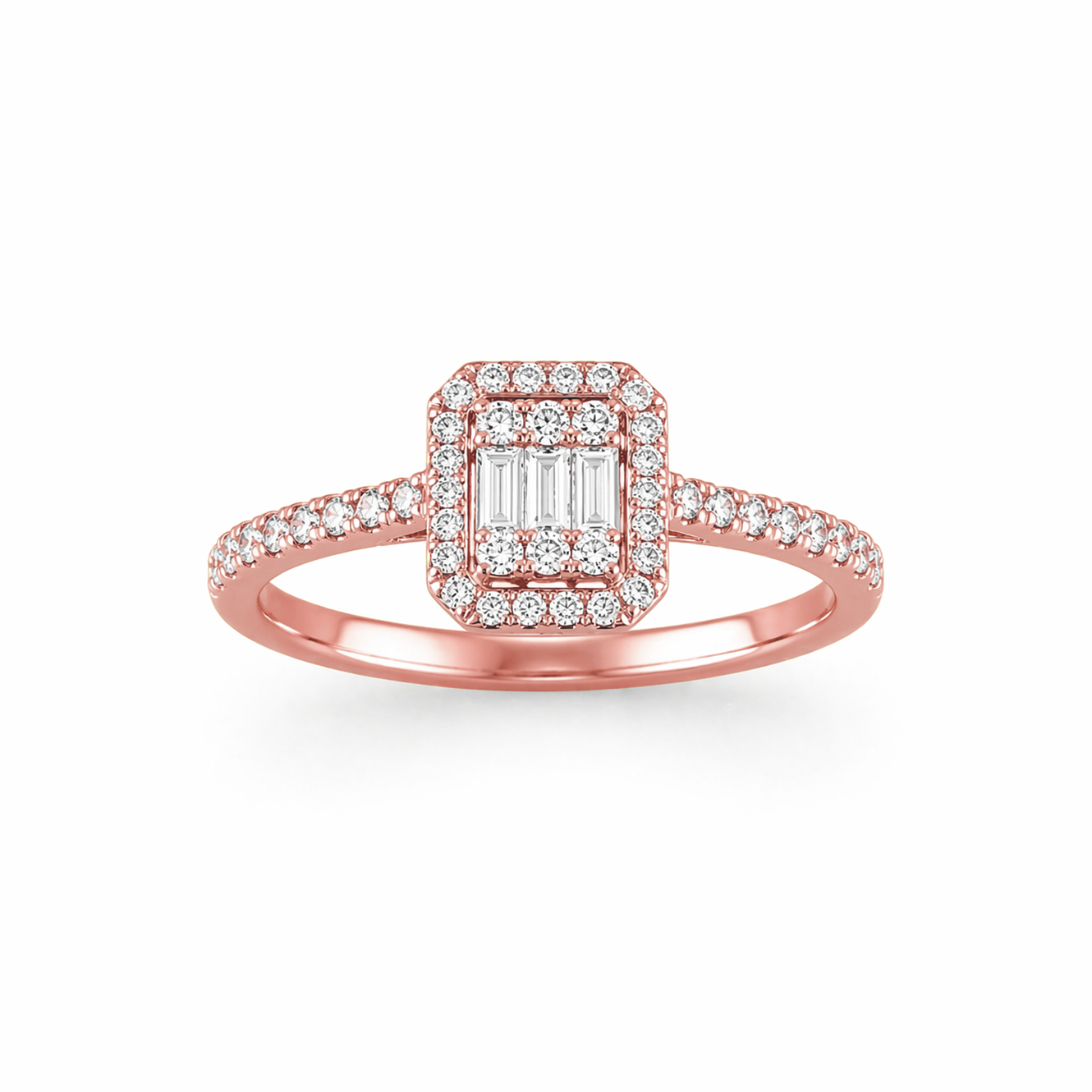
Settings matter too. A well-designed setting can make a diamond appear larger and more brilliant. Sometimes an upgrade isn't just about the stone. It's about pairing it with a setting that shows it off beautifully.
Making the Upgrade Feel Affordable
A lot of couples assume upgrading a diamond means spending a huge amount of money all at once. That's not always true.
Whether you use a formal trade-in program, resell your original diamond, or simply treat it as a stepping stone, the actual cost difference over time is often smaller than expected. Combined with lab-grown options, this makes the whole process part of a wider approach to affordable luxury engagement rings, where quality and elegance don't require an unrealistic budget.
Planning ahead also helps. If you know you might upgrade in a few years, you can choose your first diamond with that future step already in mind.
Final Thoughts
The diamond upgrade strategy isn't something jewelers advertise loudly, but more couples are learning about it every year. It offers a smarter, more flexible way to invest in a ring that grows alongside your relationship.
Instead of feeling pressure to buy the "perfect" diamond right away, you can start smart, plan ahead, and upgrade when the time feels right. Choosing a trusted jeweler like Althea Diamond for honest guidance on quality and certification from the very beginning makes this whole process much easier, no matter where you eventually decide to upgrade.
At the end of the day, a diamond should tell your story. And with the right strategy, that story can keep growing, one milestone at a time.


